At first glance, Tomba! and Monster Boy and the Cursed Kingdom don’t seem like they belong in the same conversation. One is a cult classic from the PlayStation 1 era, brimming with ‘90s weirdness and pink-haired chaos. The other is a modern love letter to retro platformers, blending high production values with the same offbeat spirit.
But spend more than a few minutes with each, and the parallels start to emerge — not just in structure or gameplay, but in spirit. These games share a kind of playful energy that’s hard to find: vibrant worlds, layered exploration, and a refusal to take themselves too seriously.
I didn't have the full Tomba! game growing up (though I played the demo endlessly), but I did have its sequel — a strange copy with a terrible translation. Some quests were borderline impossible to finish because of it. I still remember the 'Precious Ring' puzzle being completely unsolvable thanks to the weird text in the dialogue. That's why I'll mostly be talking about Tomba! 2 down below.
This article explores what links these two games across time — and why discovering those links might just make you love both of them a little more.
Shared Genre DNA: Lighthearted Metroidvanias
Despite being separated by decades, Tomba! and Monster Boy both embrace a structure that’s unmistakably metroidvania—just without the brooding atmosphere or a heavy emphasis on punishing combat. Instead, they often center their challenge around platforming sequences, puzzle-solving, or quest-driven progression. Their worlds are split into colorful, interconnected biomes, filled with secrets, gated paths, and whimsical characters that add charm and personality to each location.
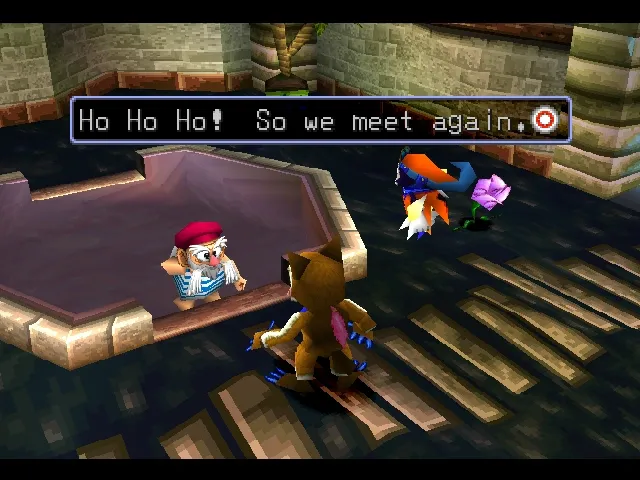
Exploration is rewarded not just with upgrades, but with the joy of discovery itself. New abilities unlock new zones, but the games are generous: they guide rather than punish, nudge rather than frustrate. There’s always a sense of forward motion, even when backtracking is required.
If you're looking for a gentler take on the genre—where curiosity matters more than combat mastery—these games quietly deliver.
Transformations and Unique Abilities
Both games center their core gameplay around transformations — and that’s one of their strongest connections. In Tomba!, progress is often tied to items, outfits, or new abilities—each unlocking new paths, interactions, or puzzle solutions. It’s not just about stats, it’s about changing how you engage with the world. That's especially true for the sequel, where each location would change drastically once you beat the boss there.
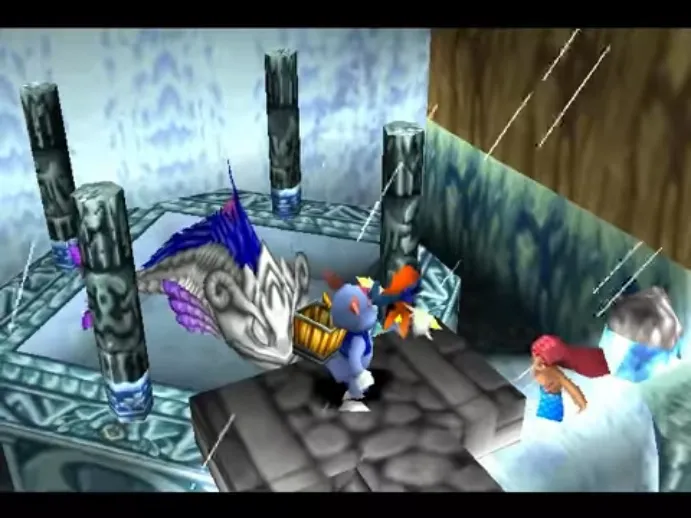
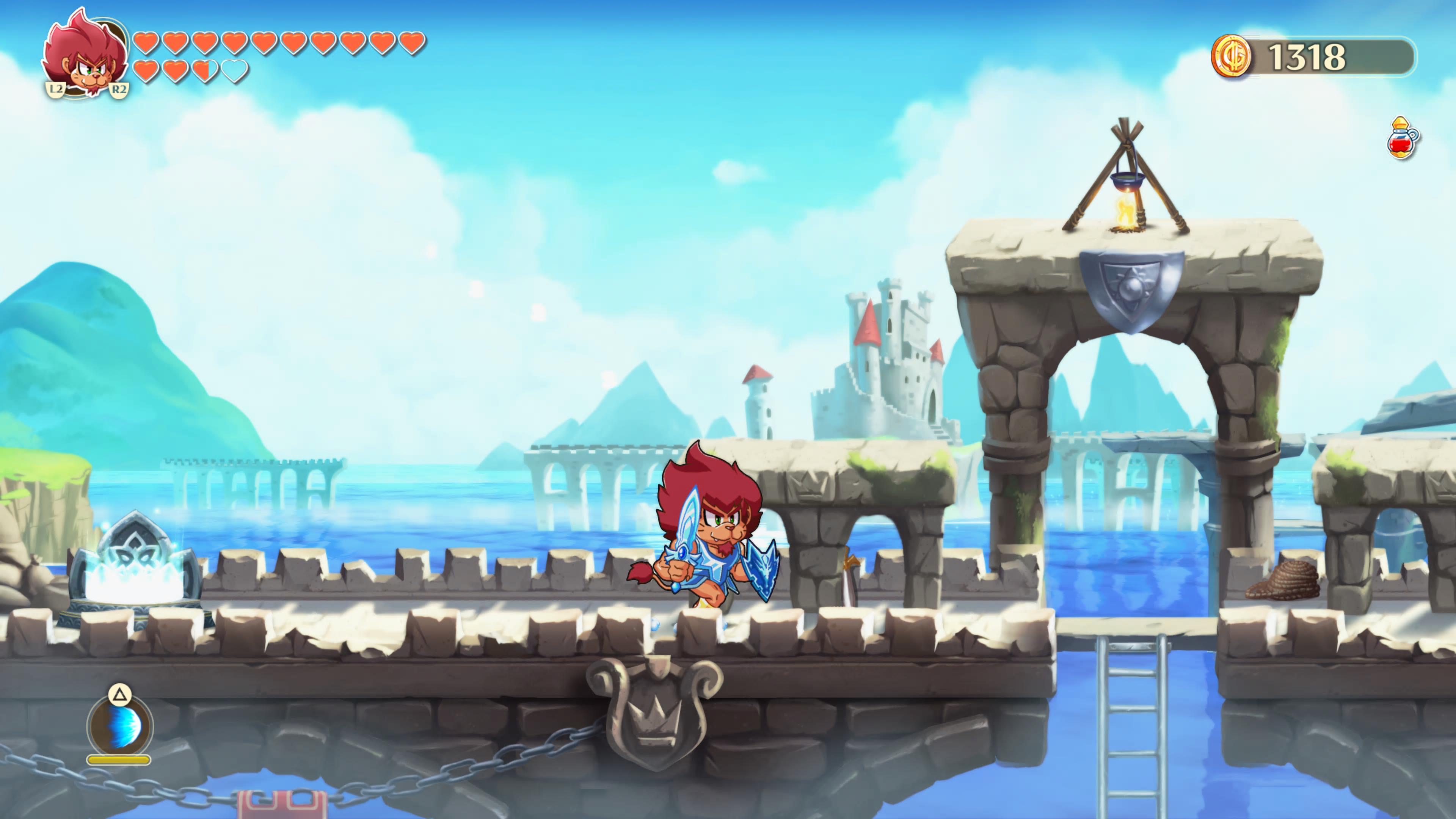
Monster Boy follows a similar idea but gives the player access to full-body transformations into different animalistic forms instead of using costumes. Each form — whether it’s a pig, frog, dragon, lion, or snake — comes with its own movement mechanics and special abilities, creating a toolkit that constantly evolves as the game progresses.
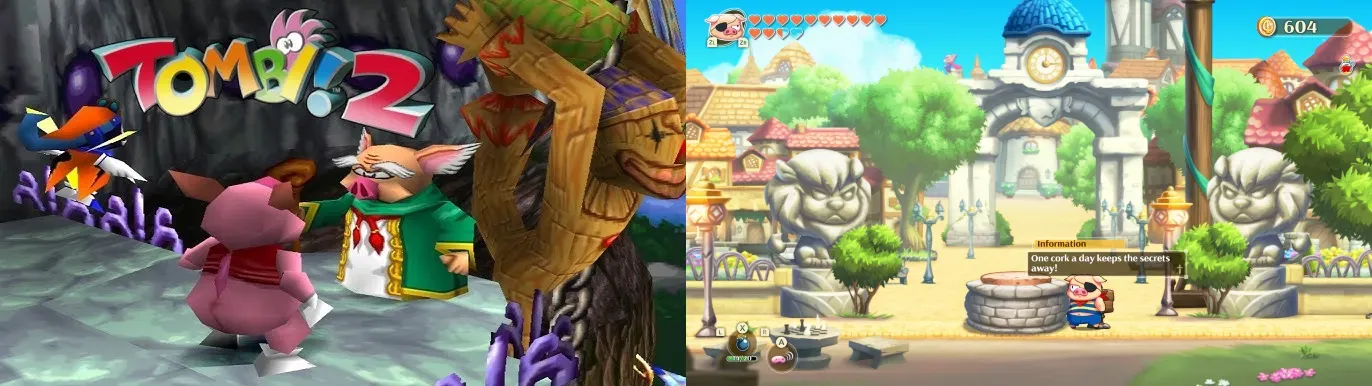
And then there’s the pig connection — hard to miss once you see it. Tomba! features a world overrun by evil pigs, complete with themed boss battles and even a pig suit for the protagonist. Monster Boy doesn’t just include a pig form — it makes it your starting transformation, complete with a magically enhanced nose and all the charm (and belly) you’d expect. Both games somehow make pigs iconic, playful, and just a little bit weird — in the best way possible.
A World Cursed and Full of Quirks
Both games anchor their main narrative around curses — magical distortions that have transformed the world and its inhabitants in unpredictable ways. In Tomba!, evil pigs have literally altered the fabric of reality in different regions, turning once-familiar places into chaotic, warped versions of themselves. In Monster Boy, a botched magical incident has turned people into animals, with the world unraveling as a result.
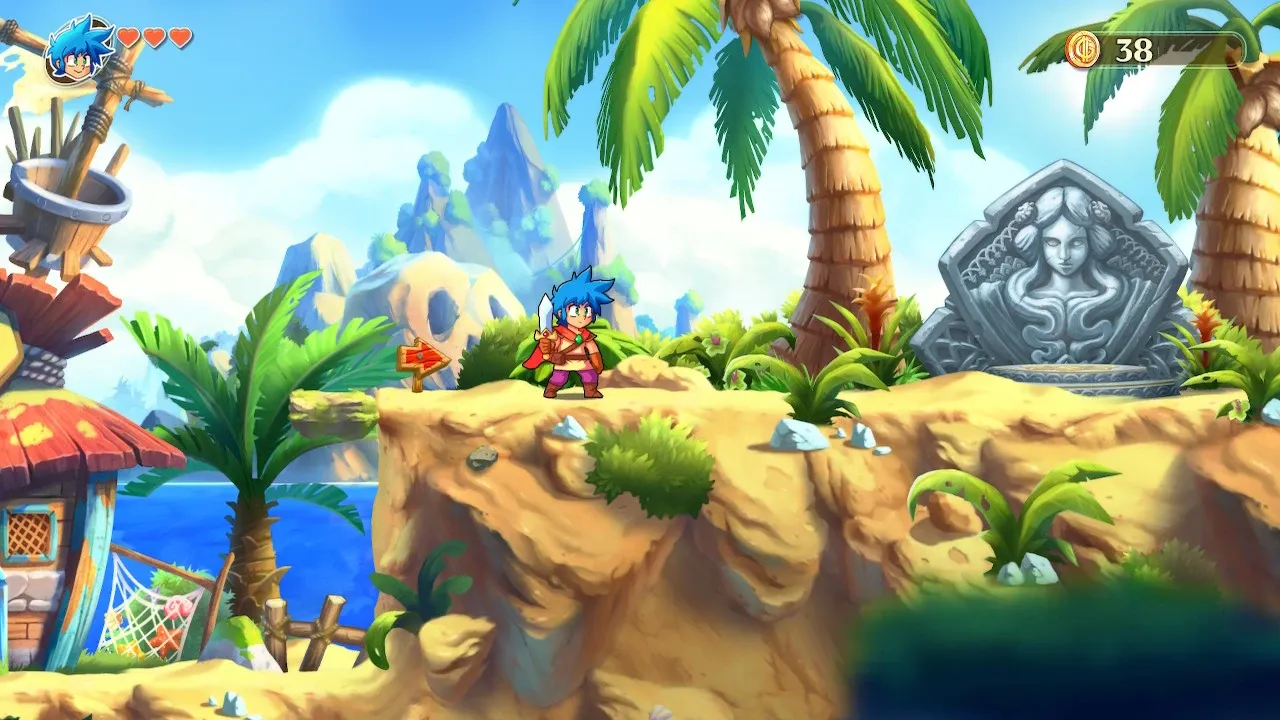
This setup gives both games an excuse to populate their worlds with bizarre characters, whimsical side scenarios, and strange rules that make each zone feel like its own little pocket universe. Whether it’s a village in the sky, a haunted forest, or a town run by clowns, the worlds of Tomba! and Monster Boy are unified by their cheerful surrealism.
And while the stakes are technically high, the tone remains lighthearted. There’s magic, sure — but it’s more storybook than epic fantasy. Mischief is always just around the corner, and that’s part of what keeps you playing: the promise that the next screen might be even weirder than the last.
Echoes in Sound and Style
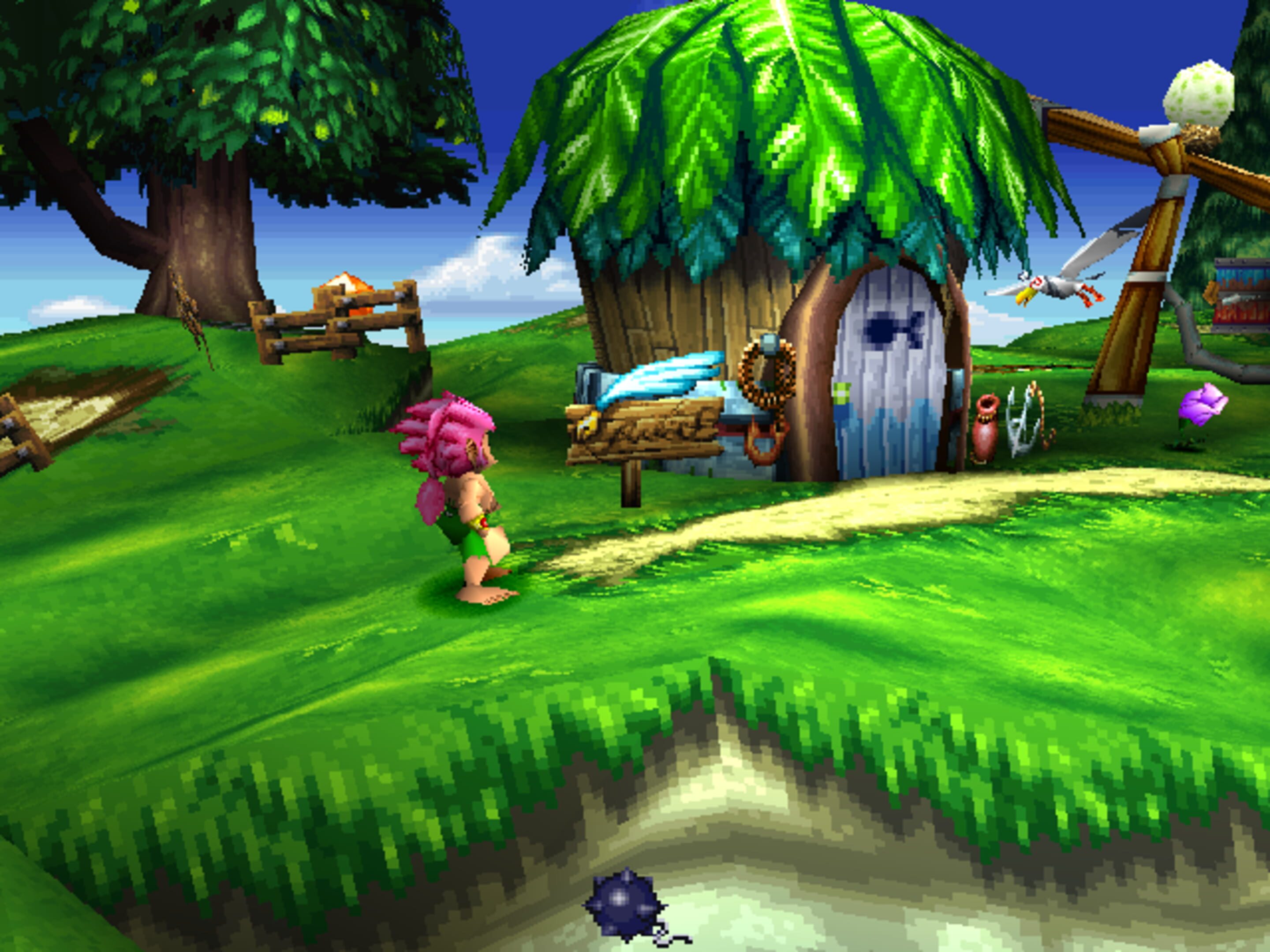
Even with their vastly different hardware generations, the two games manage to strike a similar audiovisual tone. Both lean into bouncy, energetic soundtracks with a mix of whimsy and tension, but it’s in the sound effects that the parallels get uncanny.
One standout example: the sound a ghost makes when it dies in Monster Boy is strikingly similar to the sound Tomba makes while jumping on some platforms in Donglin Forest — a high-pitched, warbling cry that’s both goofy and a little unsettling. Whether this was intentional homage or subconscious echo, it hits the same nostalgic nerve.
Visually, both games embrace bold color palettes, exaggerated animation, and a cartoon sensibility that sets them apart from the darker, more realistic look often found in other action-adventures. They don't aim for realism — they aim for character, and it shows in every bounce, blink, and over-the-top expression.
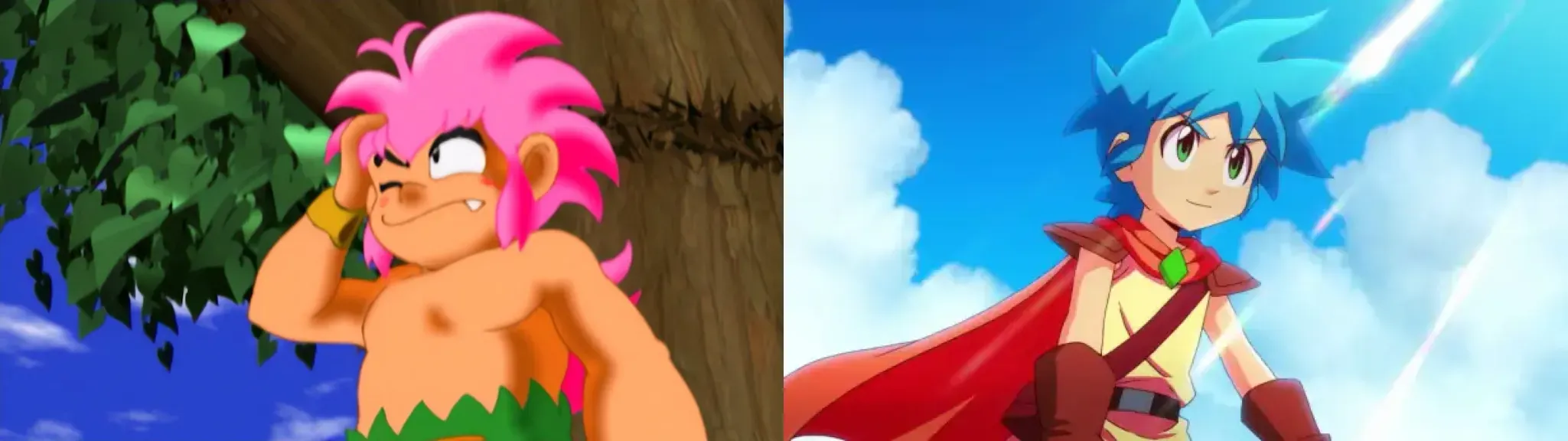
And let’s not overlook one instantly recognizable feature: the protagonists’ hair. Tomba’s wild pink spikes and Jin’s vibrant blue locks are more than style choices — they’re visual statements that perfectly match the games’ energy. Loud, confident, and impossible to miss.
Conclusion
Tomba! and Monster Boy might be separated by years, platforms, and production values, but they share a rare design DNA — one rooted in joy, invention, and playful exploration. They’re not just games — they’re vibrant worlds you step into, full of surprises, weirdos, and that unmistakable sense of discovery.
These connections aren’t just fun trivia — they show how certain design sensibilities can transcend generations. Whether you’re a nostalgic player or a newcomer, recognizing that shared DNA can deepen your appreciation of both games and the kind of joyful, offbeat creativity that rarely gets the spotlight.
If you grew up with Tomba!, Monster Boy feels like finding a long-lost cousin. And if you started with Monster Boy, going back to Tomba! is like flipping through the childhood sketchbook of a game you thought was brand new. Different eras, same spirit — and that’s what makes the connection so special.