Disclaimer: Story spoilers for ahead (wrapped with spoiler tags). These notes were mostly written about 54 hours in and updated with final thoughts section once I got the platinum trophy.
Finally got my hands on a copy of Clair Obscur: Expedition 33. With all the praise it received from the press and the influencers I kinda had huge expectations for it. Did it live up to them?
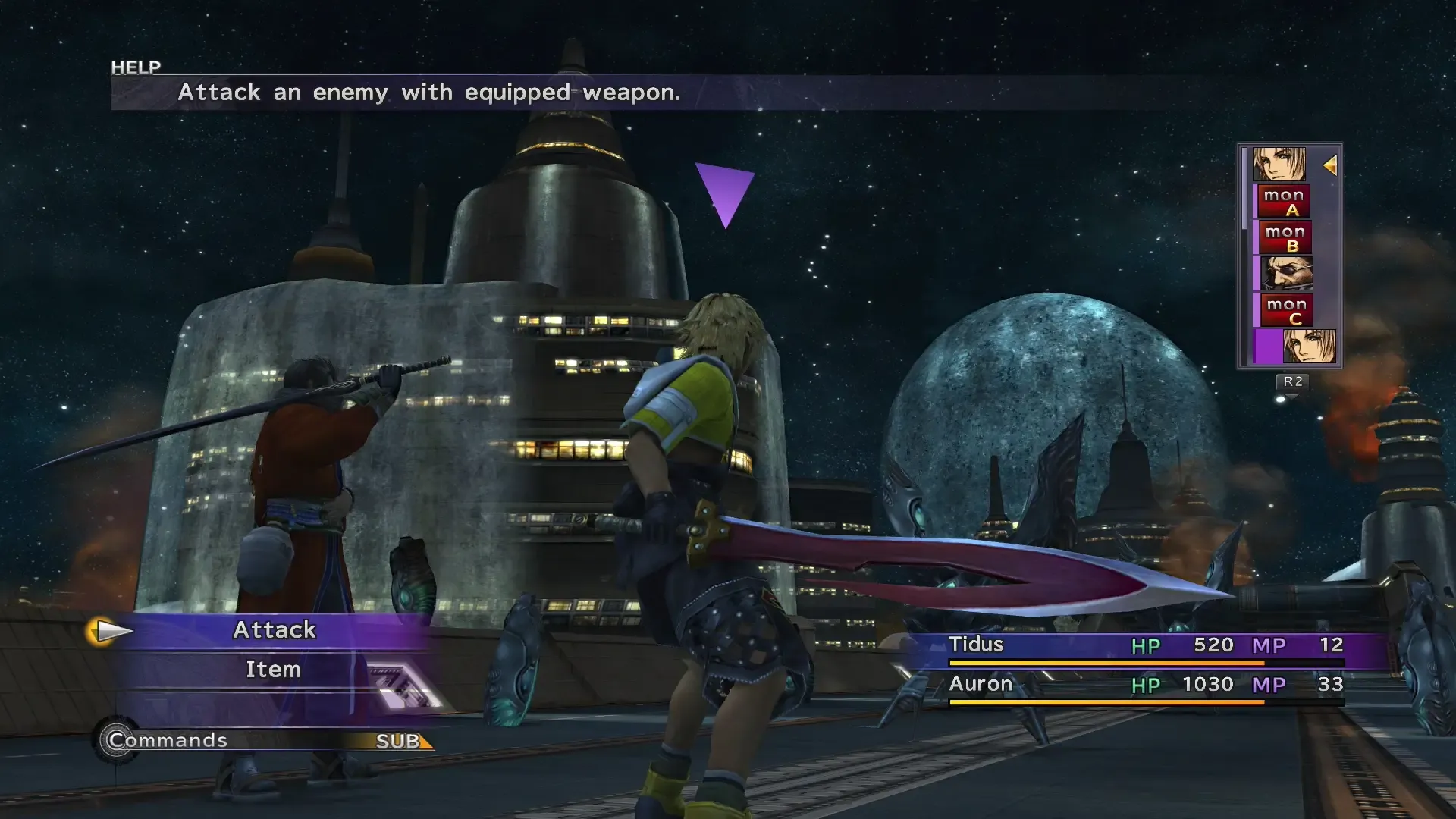
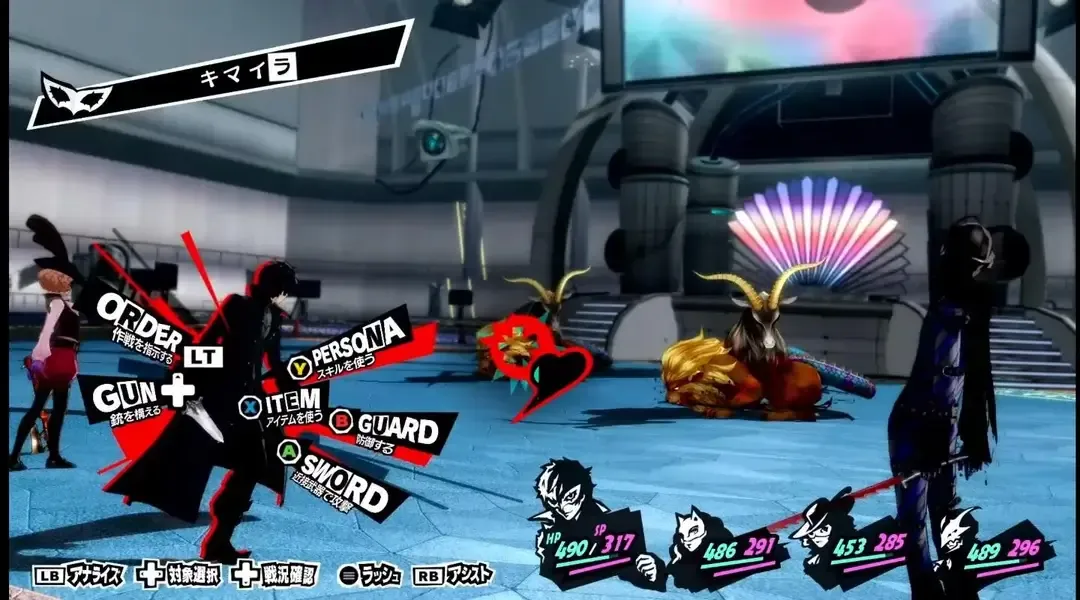
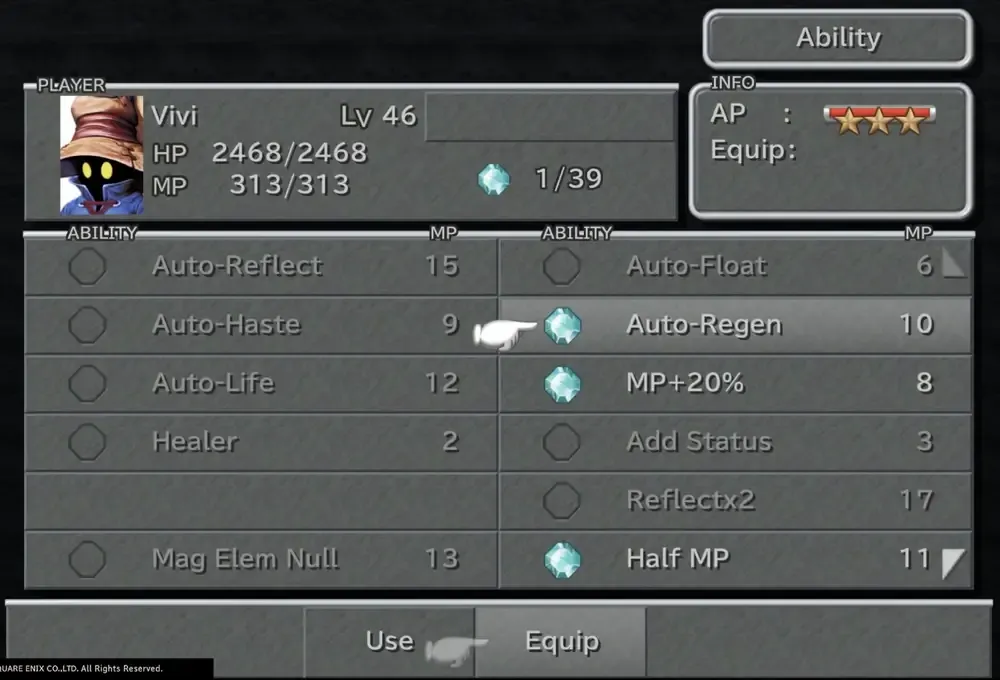
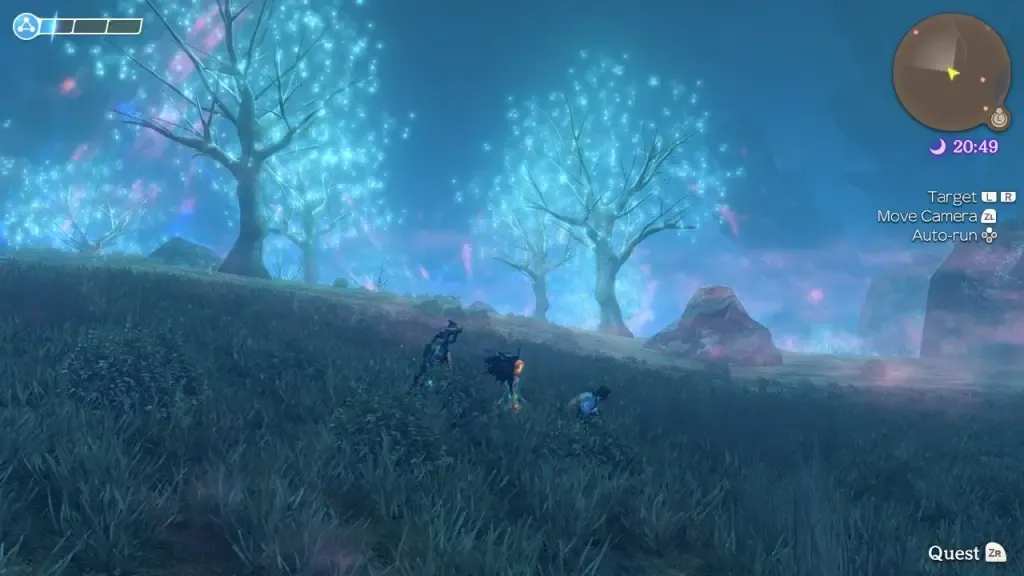
First of all, I've already read about how the devs are jRPG fans and basically wanted to make their dream-jRPG. Thus it was kinda funny during the first couple of hours when the game teaches you various mechanics and I'm like "hey, this is from that game, and this is from that one". Here's what I spotted:
- Battle timeline - Final Fantasy X
- Battle menu - Persona 5
- Passive abilities (pictos and luminas) - Final Fantasy IX
- Exploration - Xenoblade Chronicles
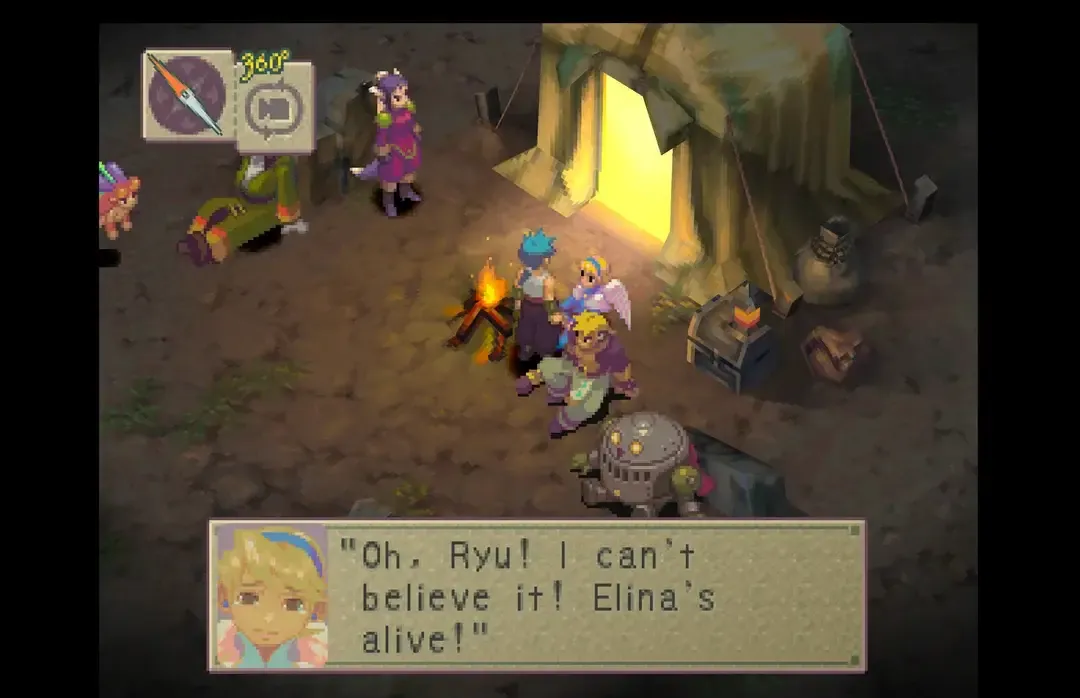
- Camps - Breath of Fire IV
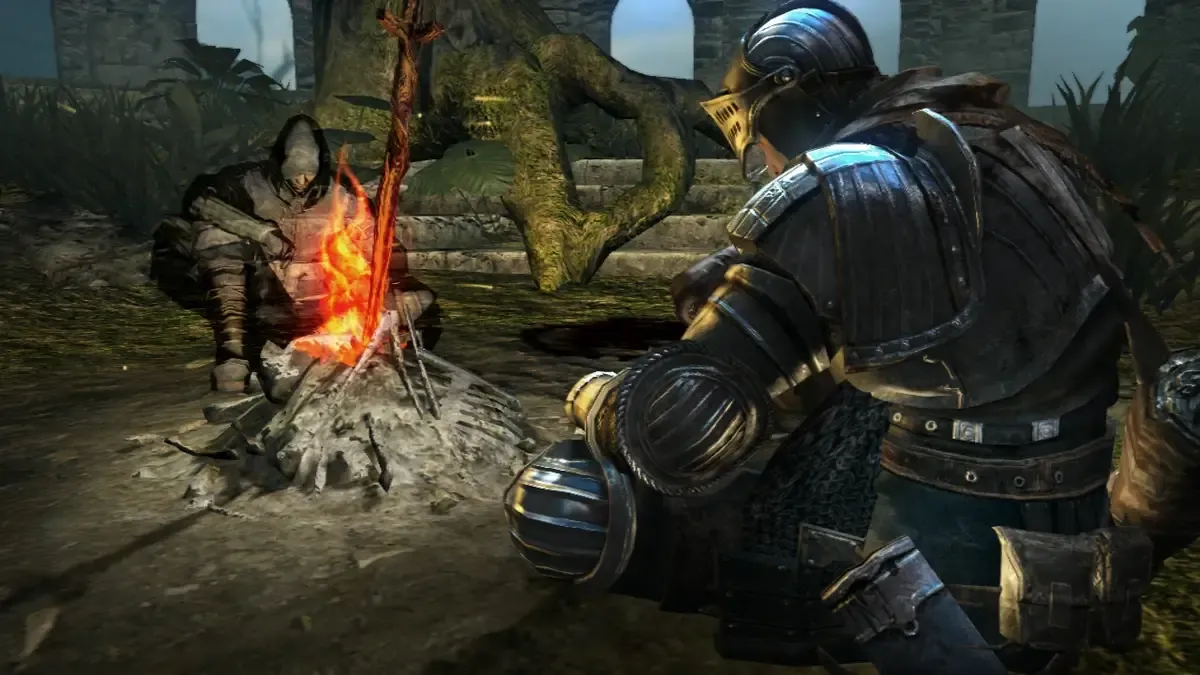
- Expedition Flags - bonfires from Dark Souls and save spots from PSX-era FF games
- Chroma Elixirs - estus flasks from Dark Souls
- Main plot feature - (with a huge stretch) original FF X draft (Seventeen: Angelic Impact X Devil's Shock)
Quick note: these are just the associations I had. Similar looks/mechanics/ideas may be present elsewhere and those other games might have been an inspiration. Or it may just be a coincidence.
Plot, World, Lore
This is both a strong and a weak point of the game. Let me explain.
Why weak?
You start with a pretty nice and touching exposition. While going through the prologue, you'll get some understanding of what the Gommage is, what the number on the Monolith means and how this society lives in these conditions. Most of the beauty of prologue hides in optional dialogues and short side quests, so make sure to talk to everyone. You'll be introduced to multiple characters, prepare for the Expedition and set sail.
Only to get into a total mess of a narration over the next several hours. The events here seem to be somewhat disconnected - cutscenes start and end abruptly, characters end up somewhere or appear out of the blue. Any attempt to start a dialogue and maybe shed some light on the events is stopped instantly with a "we'll talk about it later". You'll be bombarded with terms that have no explanation whatsoever. For instance, I still don't get why the "Lumina Converter" was important or what it even was in the first place or how the hell Chroma is both currency and mana-like essence.
Nothing in Act 1 makes sense. You are constantly pushed forward towards the end of Act 1. Spoiler Alert: seems like they were really trying to minimize the amount of screen time for Charlie Cox. So get to the ending of Act 1 with "ok, can we please stop constant whining and start doing something" and after the ending you'll be like "ok, at least we have some kind of a mystery now".
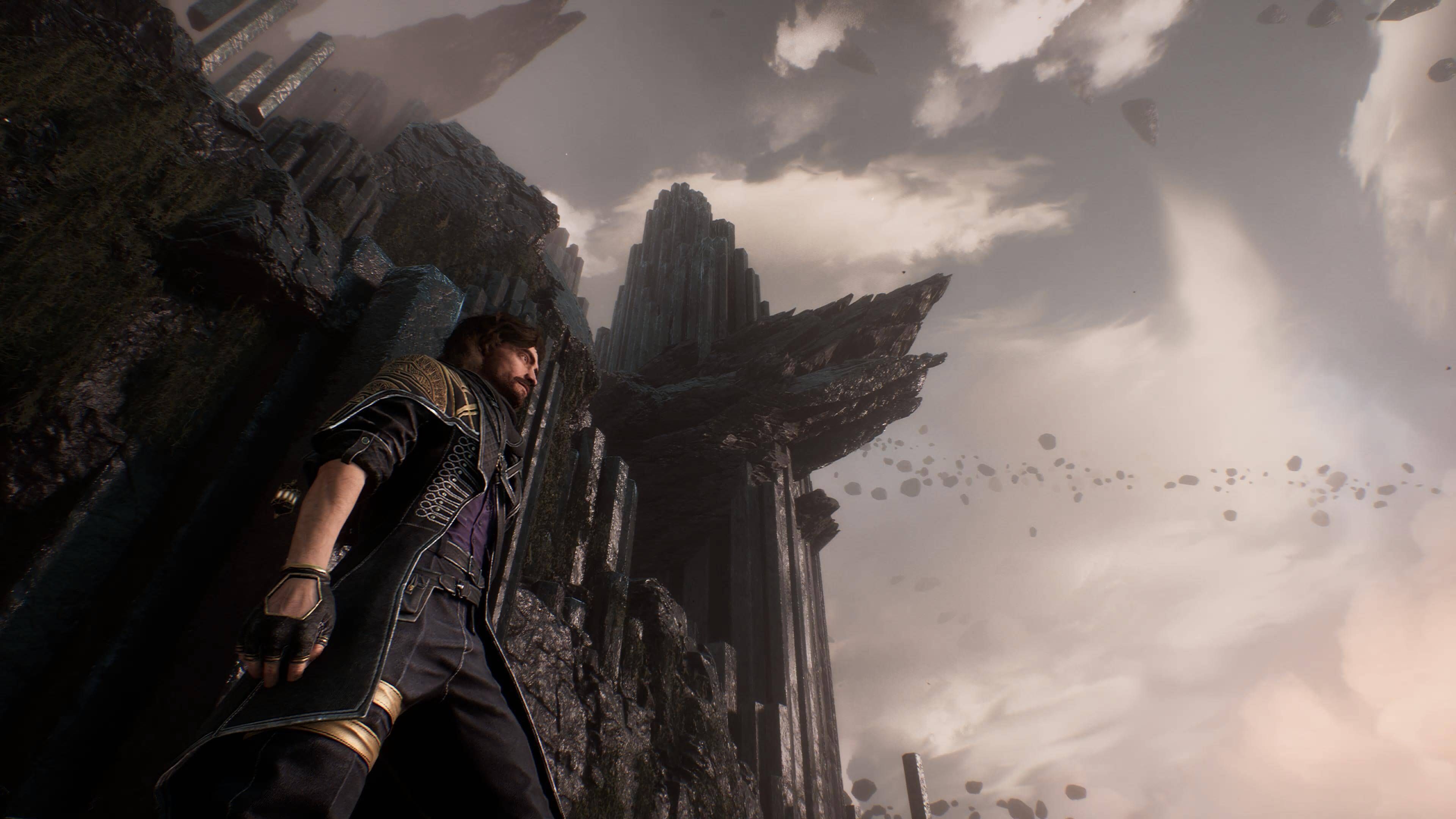
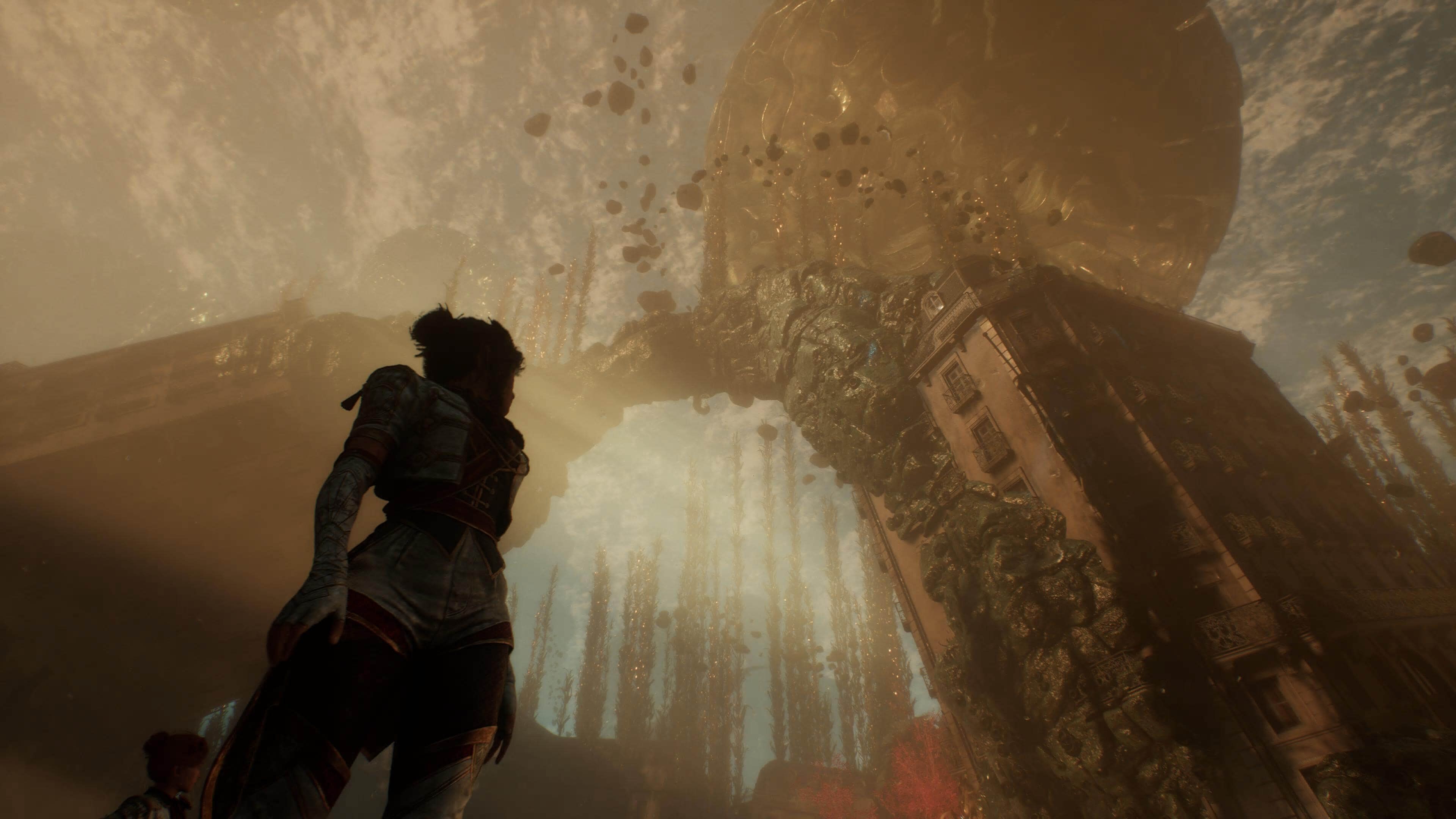
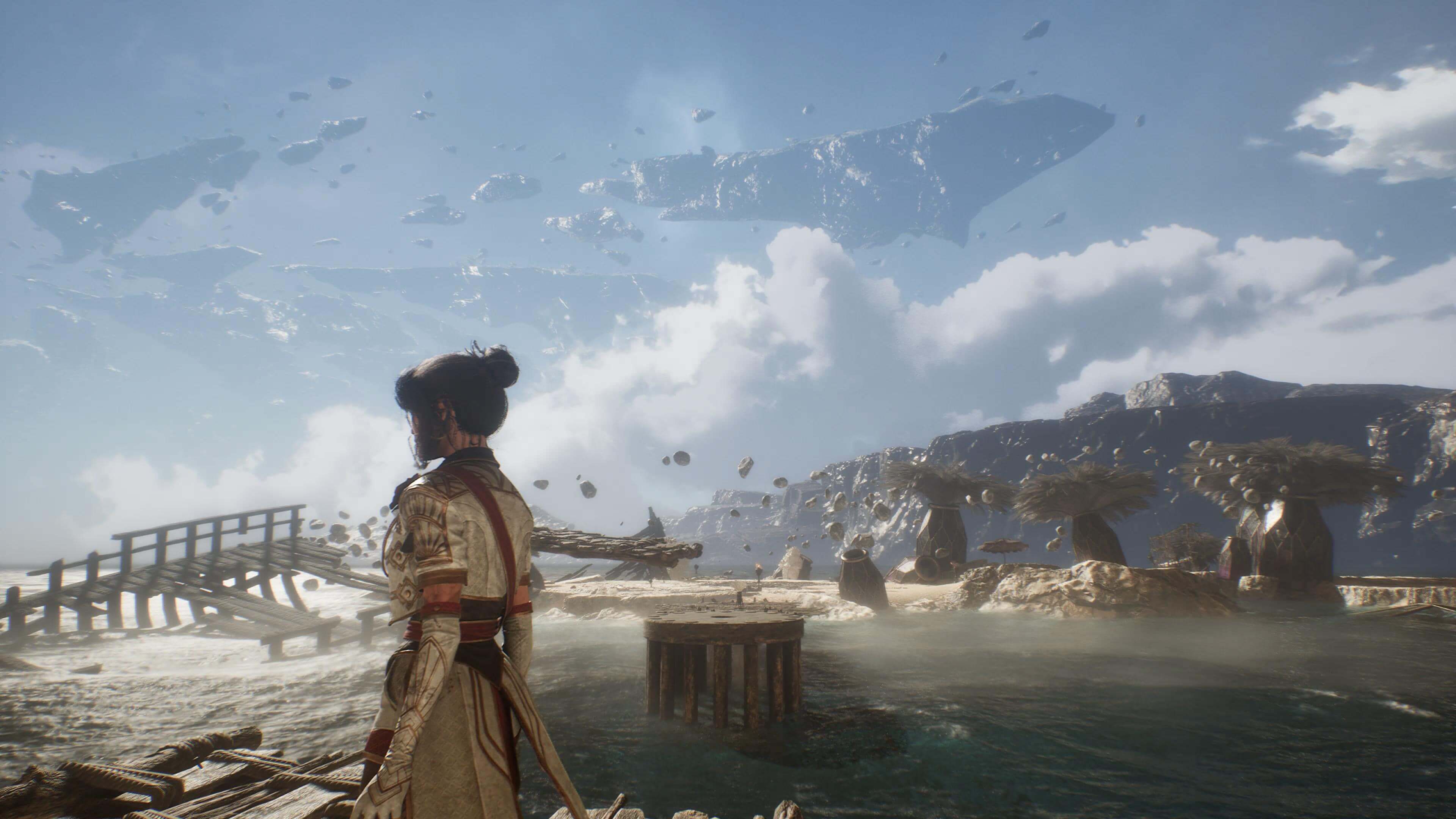
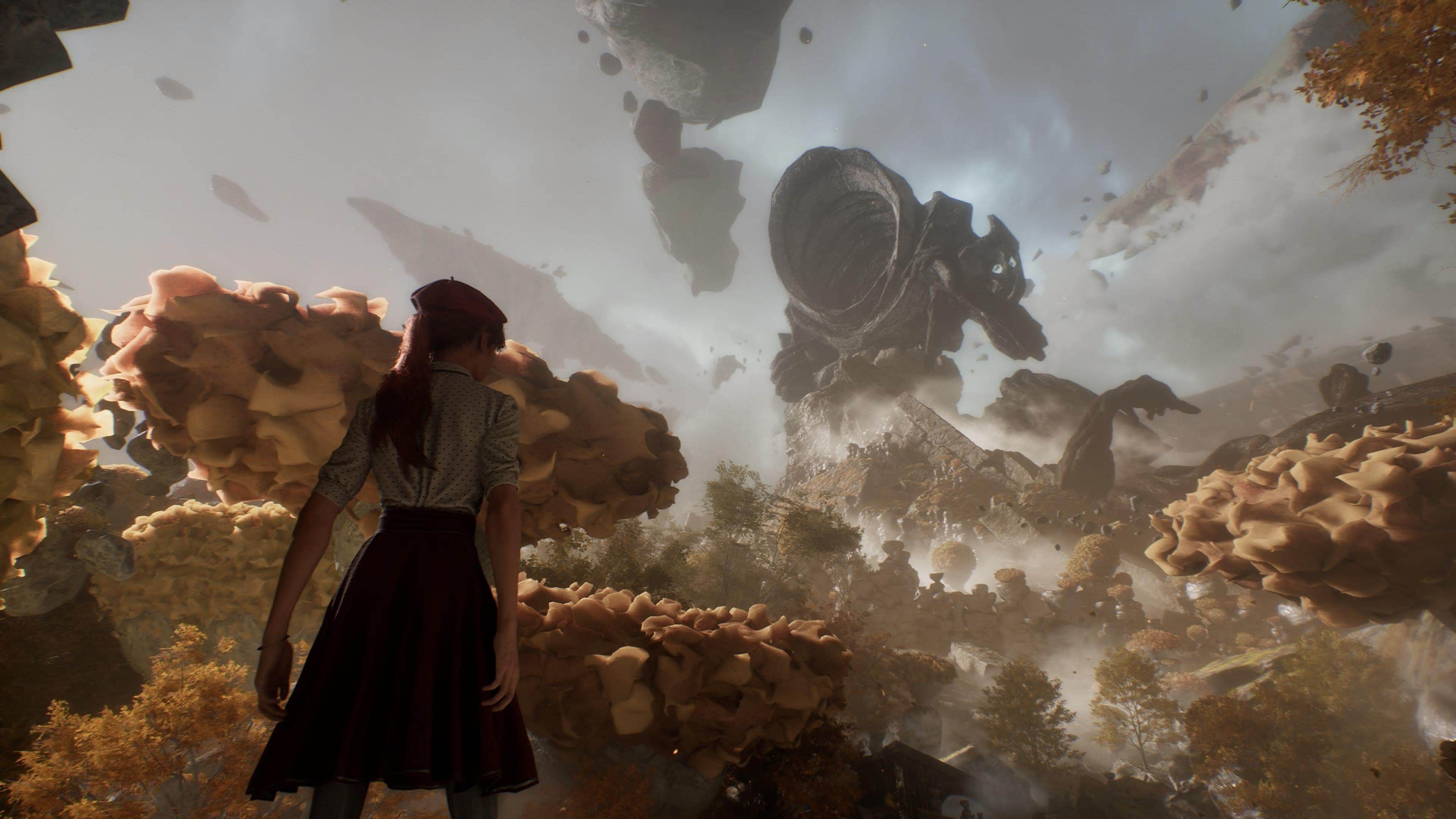
Act 2 is where most of the game events take place and where things will start opening up little by little. Here you'll be allowed to explore a bit here and there, but most of the exploration will be locked until you get to Act 3. There's less rush in Act 2 compared to 1 and you'll start seeing less and less "let's talk about it later" moments, but it still mostly focuses on pushing you towards the end.
Act 2 ending is where quite a lot of players have dropped the game due to THE TWIST. I don't want to spoil anything, so I'll just say if you were into the plot, but then the twist had left you with a feeling that it was meaningless, keep going. Do the relationship side quests, go visit optional areas. Act 3 is where the game FINALLY allows itself to share the lore and details and things start to make sense. And to be honest, some of the side stories and cutscenes here have been better than most of the stuff you get in Acts 1 and 2.
So, to summarize all this:
- Bad narrative pacing in early game. It feels like you're trying to watch a season of a new show that was cut so that you see only like 5 minutes of each episode in total.
- Controversial plot twists. They feel somewhat forced and added for the Shyamalan effect rather than being an essential part of the narrative.
- I would assume that the writers wholeheartedly love Final Fantasy VIII, as some of these issues are very similar to 8's plot issues.
Why strong?
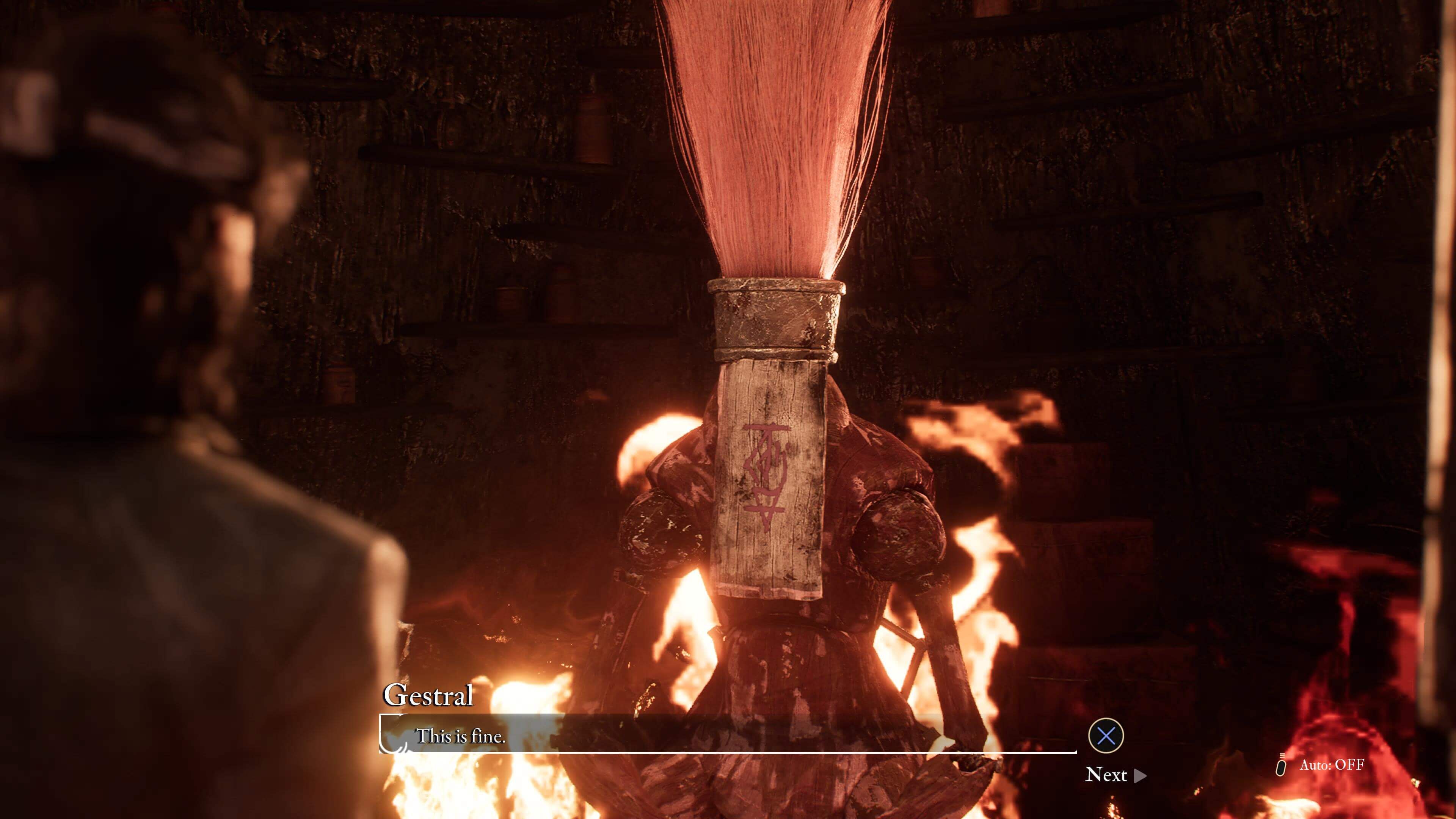
The world itself looks magnificent. There's a ton of details in most of locations, and you'll start to get meanings and references during late game. The characters start opening up and get some depth and some of the new ones just steal the show whenever they are on screen (especially the Gestrals).
The design of surroundings and enemies is mostly quite good. You'll get a dull cave here and there or somewhat similar enemies sometimes but mostly it's well thought. The influence of the Souls-series seems to be heavy here.
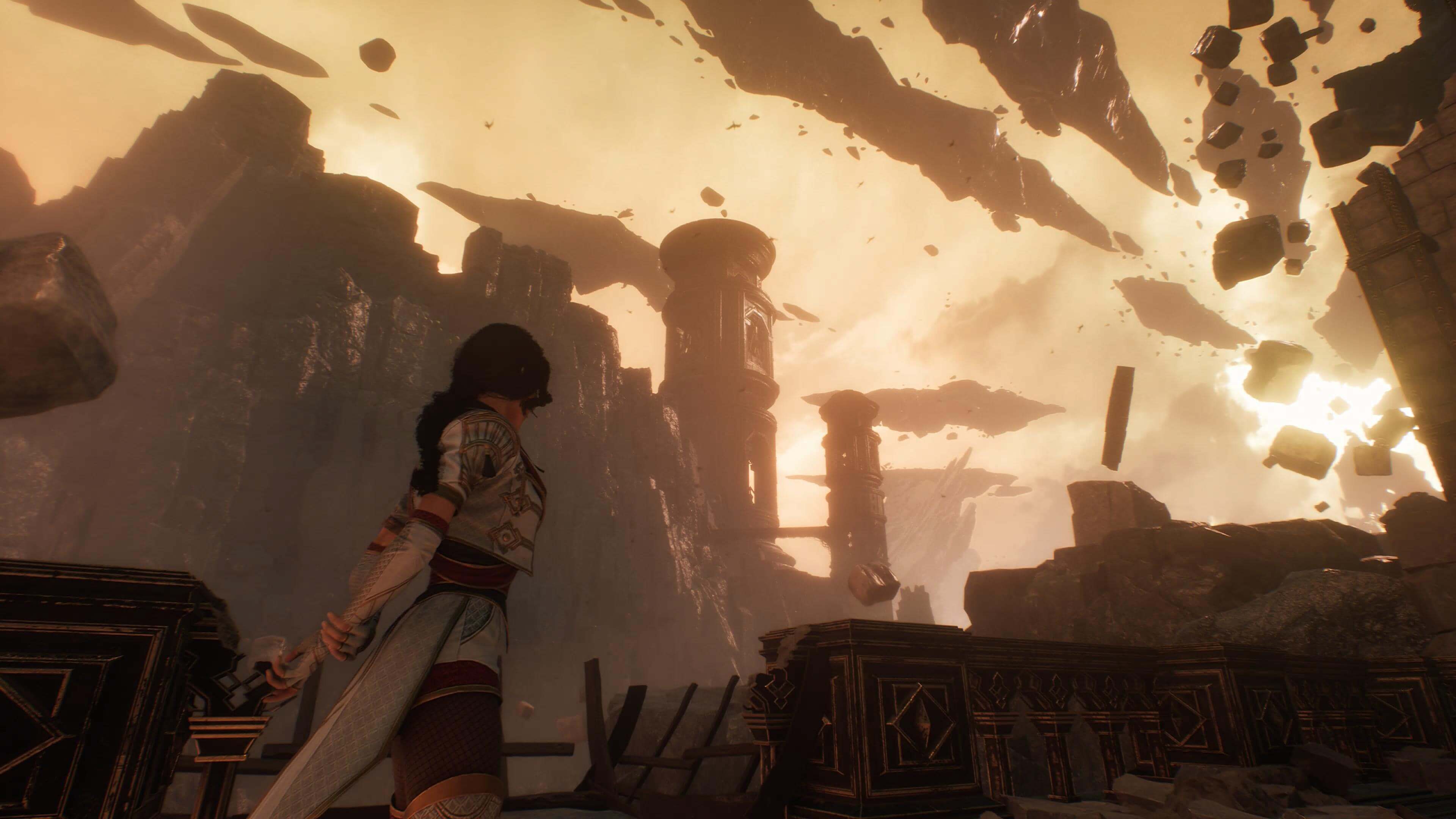
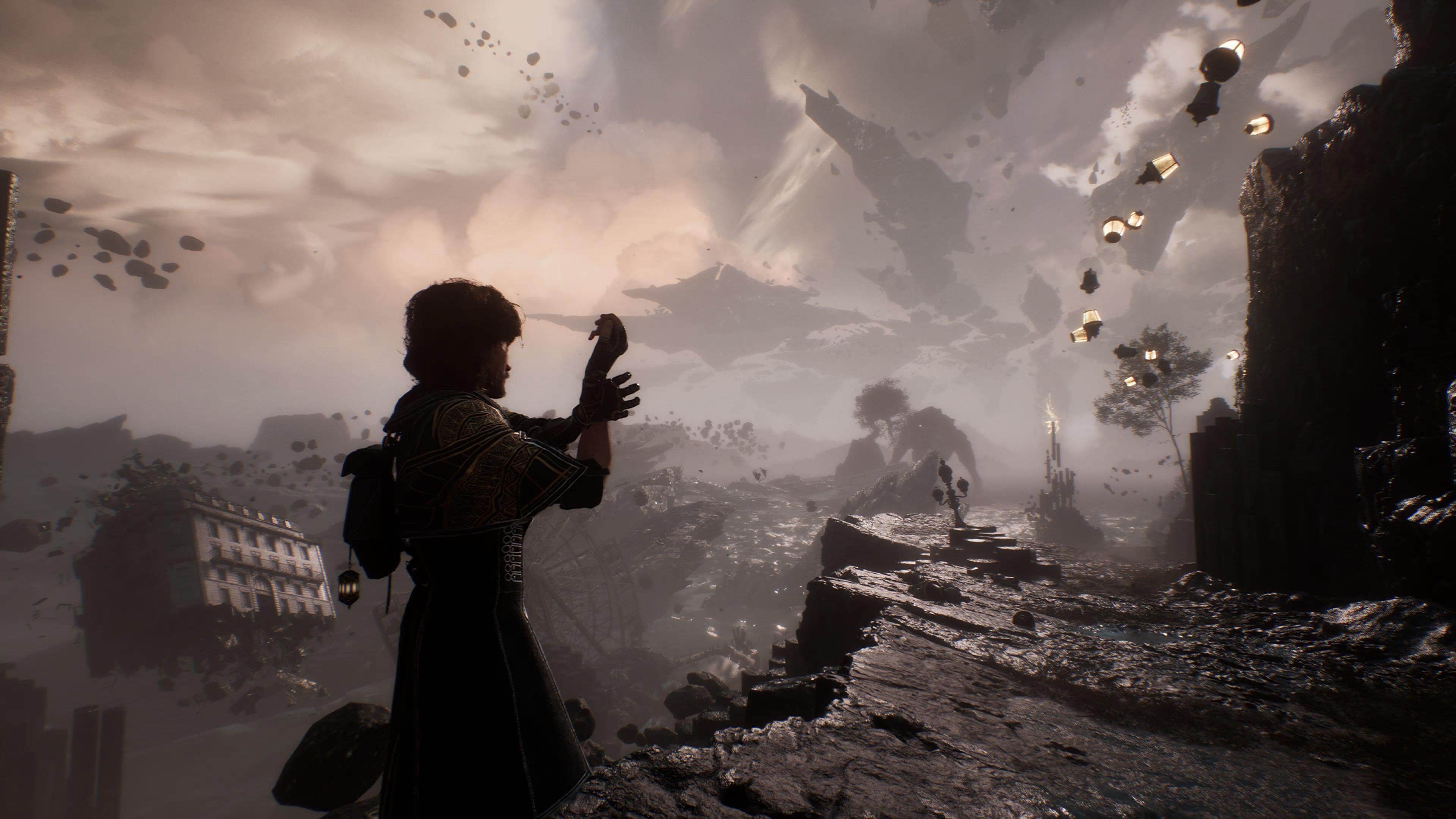
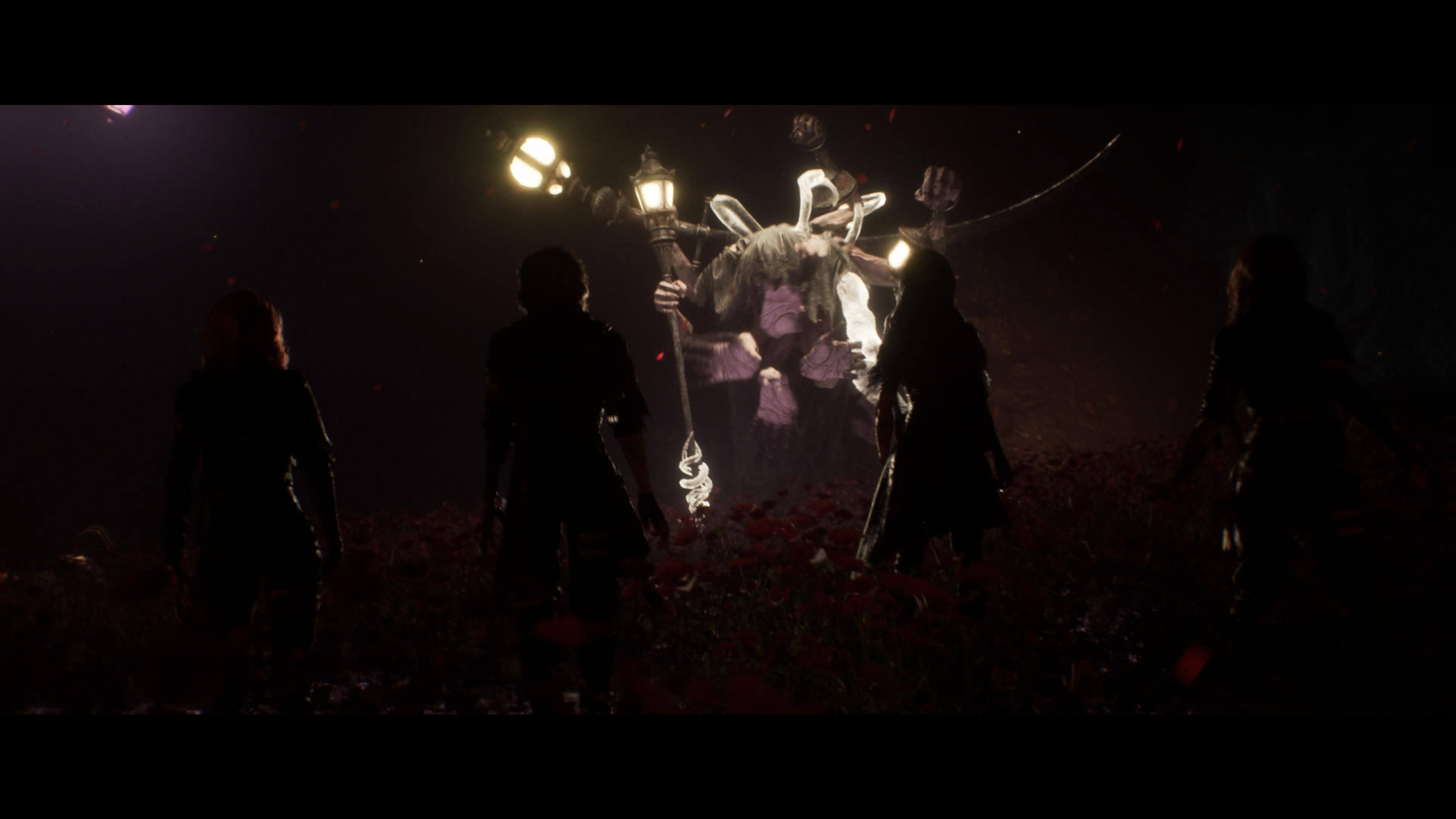
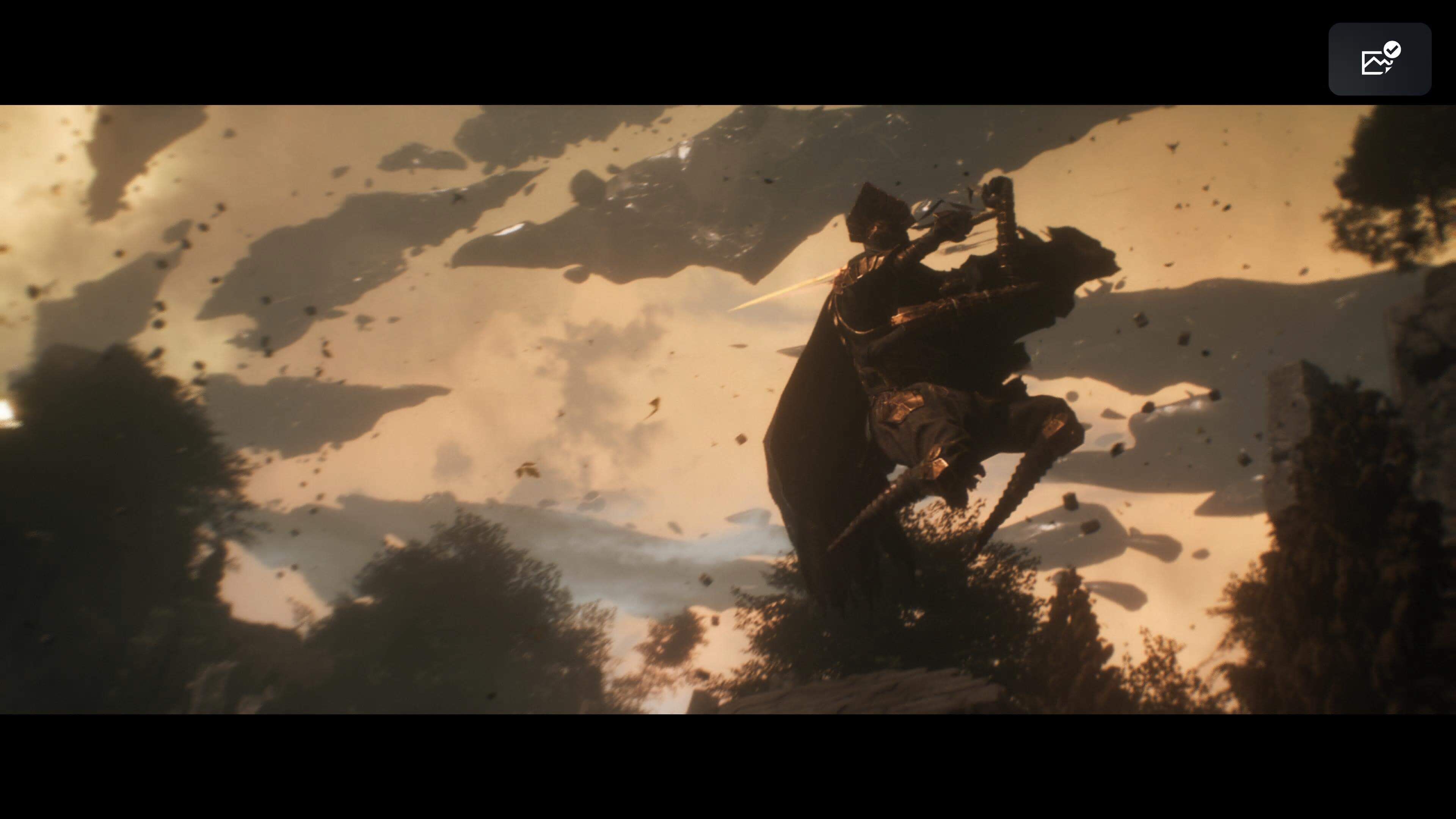
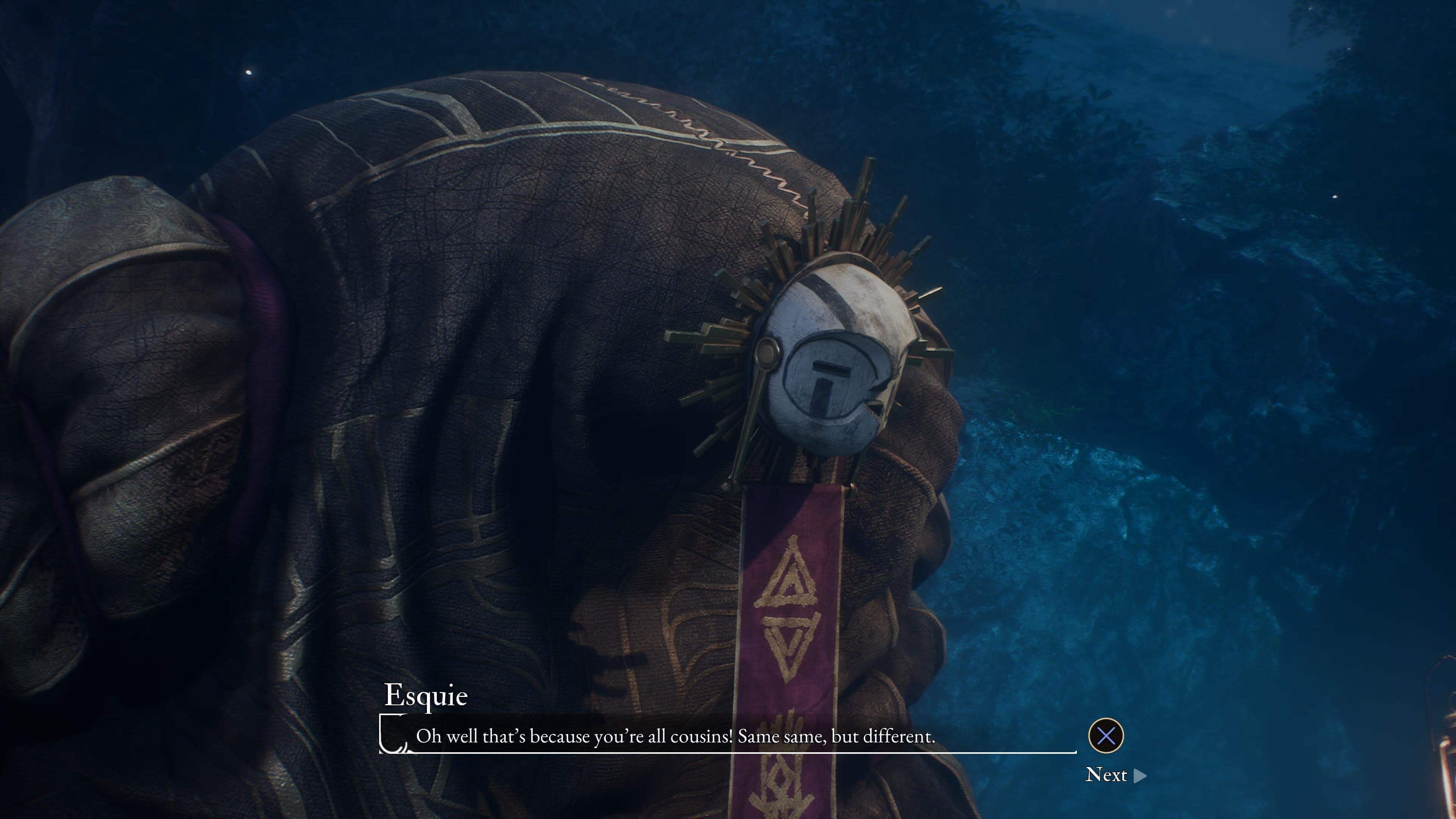
While you don't get to meet that many characters in the game, the ones you do are pretty well-written. Especially Esquie - that guy steals the show all the time (though it mostly happens in Camp). By the way, there are several easter eggs and Esquie says one of them a few times (see in the gallery below).
I'm not really diving into most of the good stuff, because it would require walking on thin ice not to spoil anything (so I kinda get why the first two acts felt so rushed). But I must admit, that once all the cards are played, the game handles its main theme really well, and adds additional depth and angles. Too bad that it is mostly reserved for endgame.
Gameplay
Now let's talk about the two main aspects of the game - battles and exploration.
Exploration
Some of the areas are really straightforward, others are maze-like and lack of mini-map only adds to the already frustrating navigation there. The world map is also not very helpful, so most of the time you can only rely on the compass.
Nonetheless, most of the areas have the "main path" that branches into loops or dead ends with some goodies: from items to secret bosses. You get your some "press Square to do X" type of moves with grappling hook that works in specific points and climbing handles, but also you'll face platforming in some of the areas. Luckily, platforming is mostly reserved for optional areas as it hardly works. You're fine if you're not going for the platinum trophy - that way you can skip the Gestral beaches and only suffer through a bit of presize jumping-and-rolling in Paintress Workshops, but if you are a completionist - get ready to suffer through jumps not registering or ledges having no grab hitbox. That "Only Up"-style challenge was definitely made as part of the viral marketing campaign, and it only exists in the game to make you feel miserable.
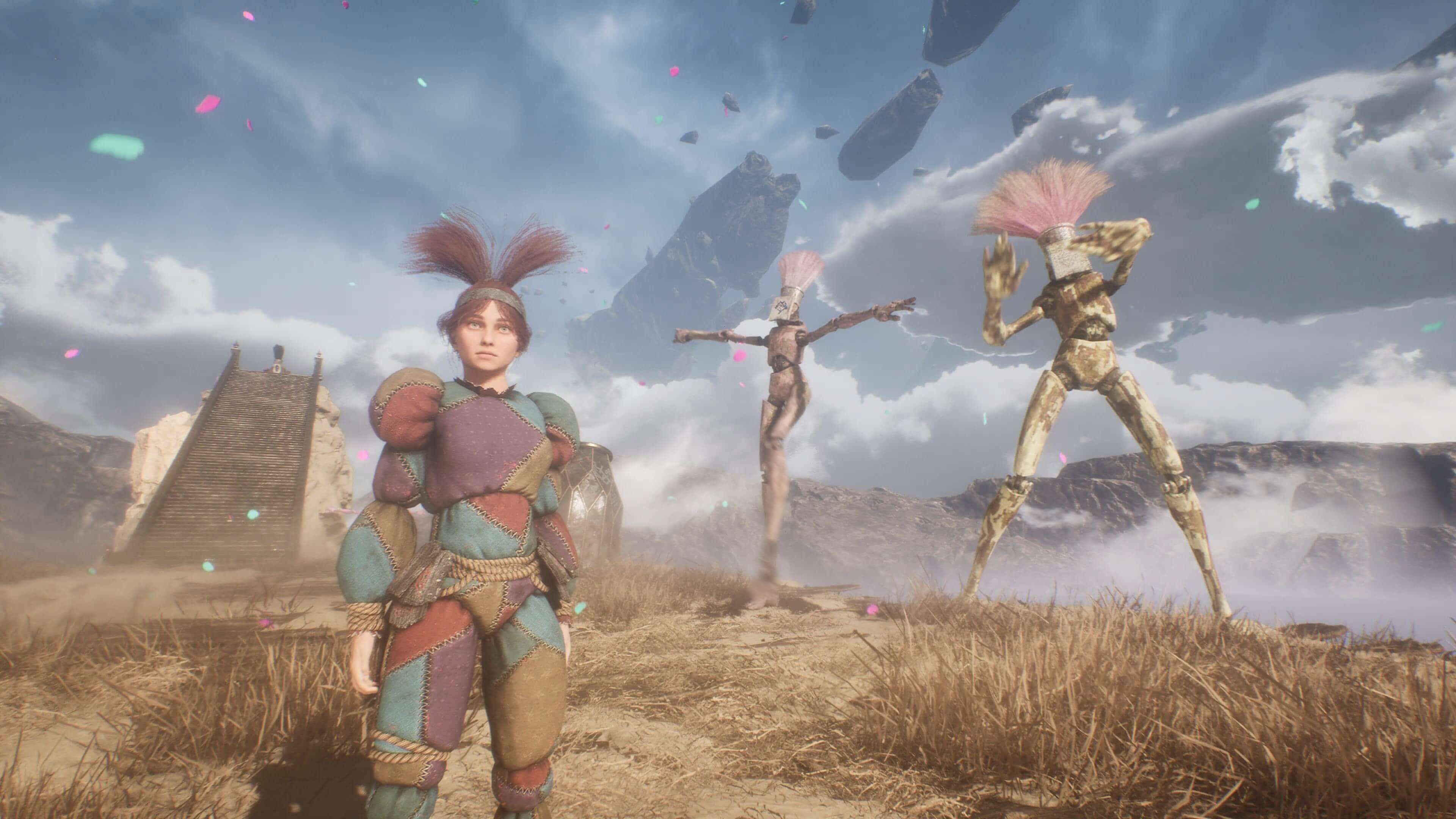
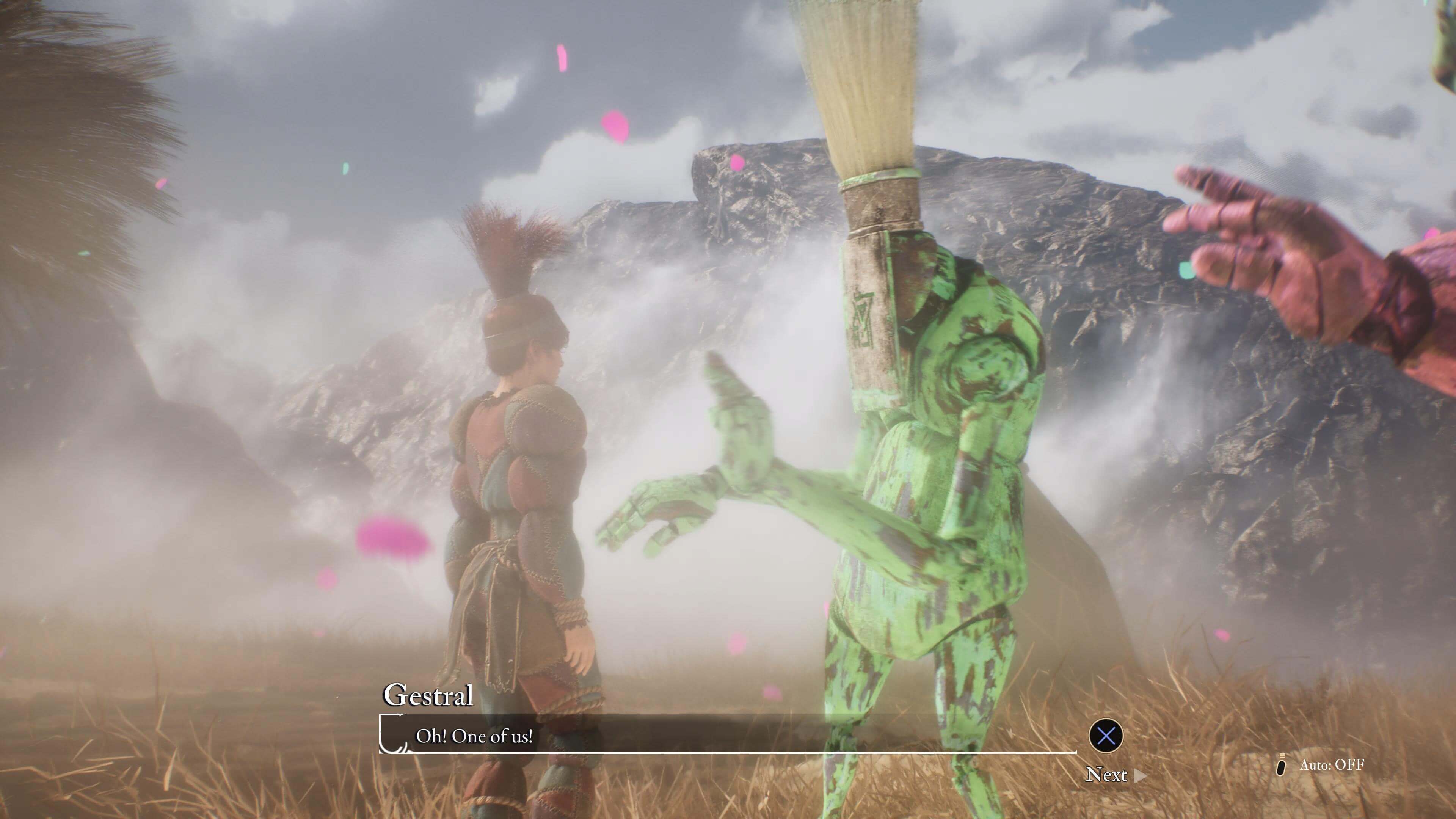
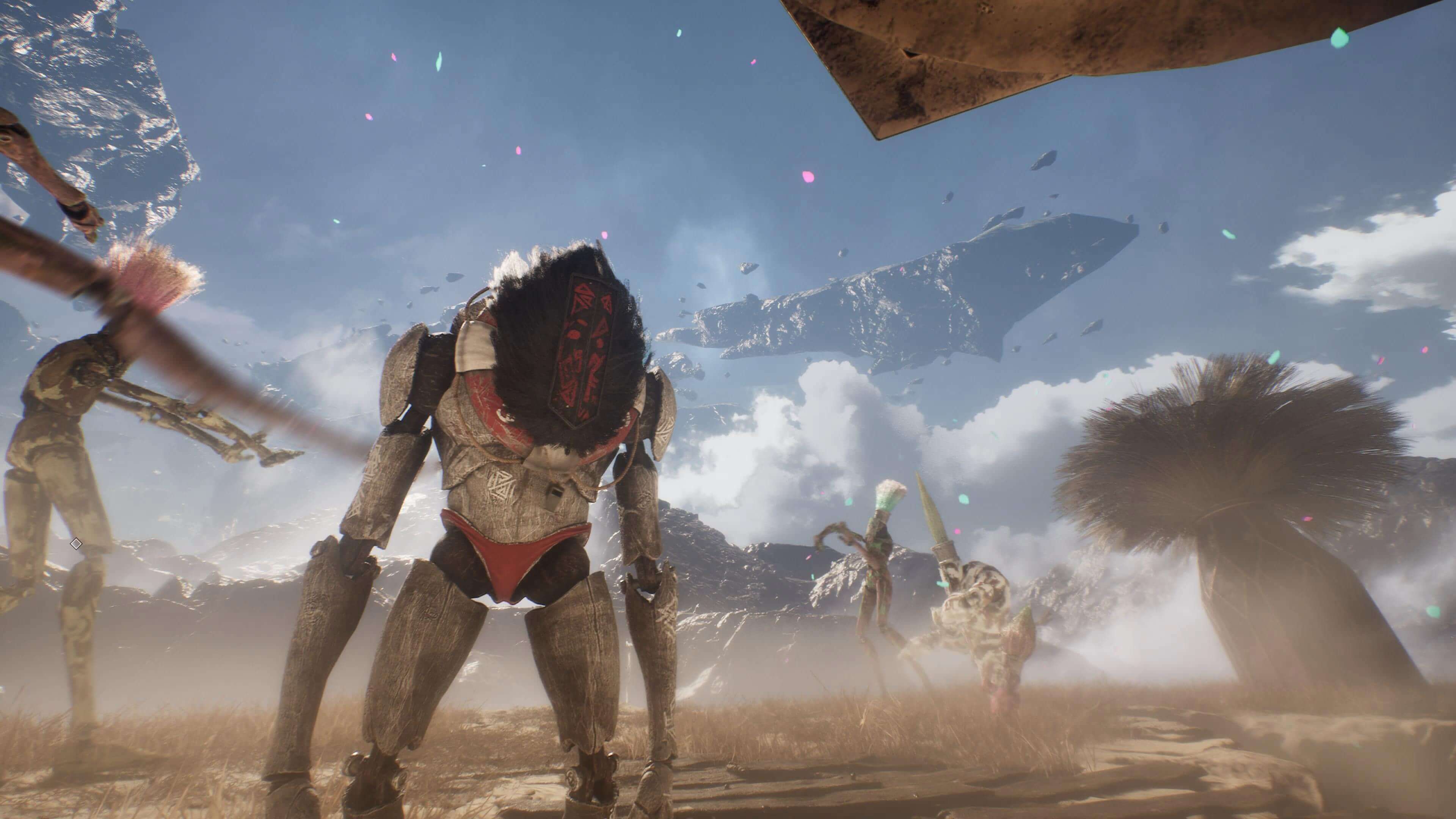
The overworld map is kinda built with the same principle - you have your main path and main locations as well as a bunch of side stuff, but also you have things to do right on the overworld map - including one of the Pétanque puzzles. It's also kinda nice how all of the areas have most of the details (you can even see most of the items above that "Only Up" challenge).
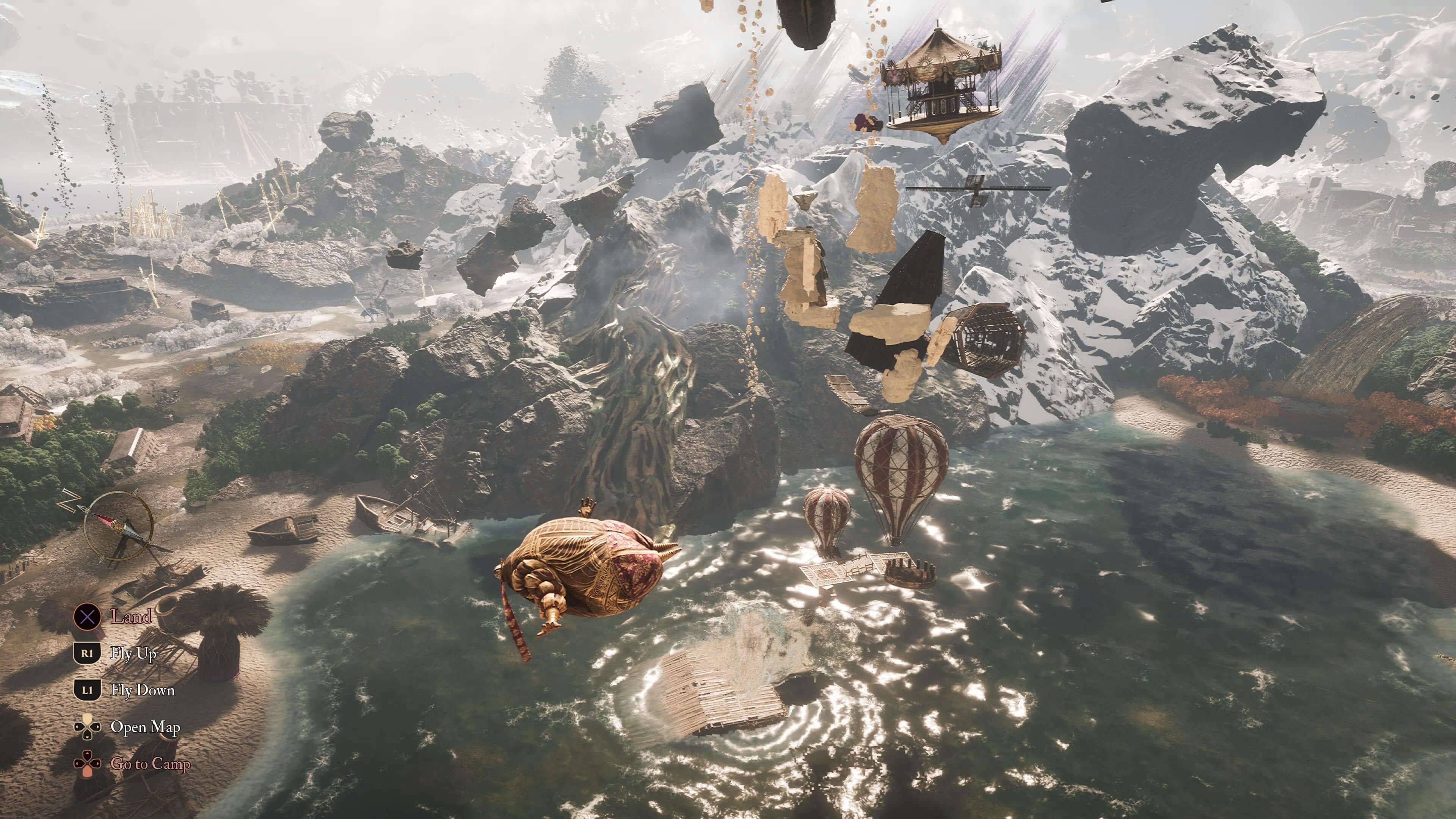
Exploration not only gives you resources and fights, but also can provide with important lore pieces. You will find voice logs of previous expeditions, some NPCs to talk to, Gestral traders and some environmental storytelling here and there. Overall it's worth going through every nook and cranny as you go.
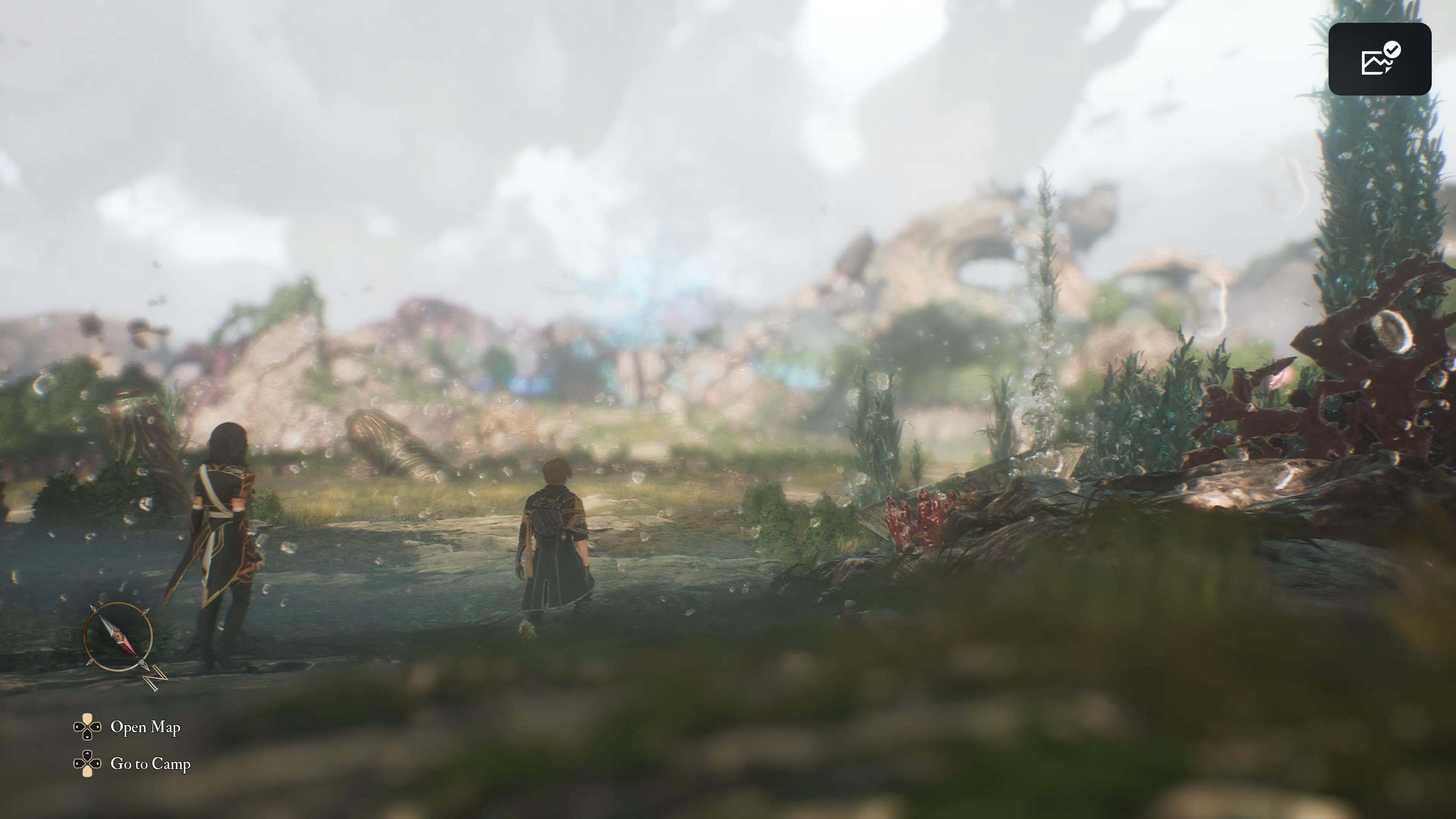
Speaking of traders, they offer new costumes, weapons, pictos (both new ones and upgrades for some that you'll already have) and resources. Some of the traders will require you to fight them in order to unlock their best stock, others would have you do a side quest for them. You better clear out the stores as you meet them or remember where you left the trader with the goodies as there's no indication and some of the end-game stores will literally have you spend millions of Chroma to buy everything.
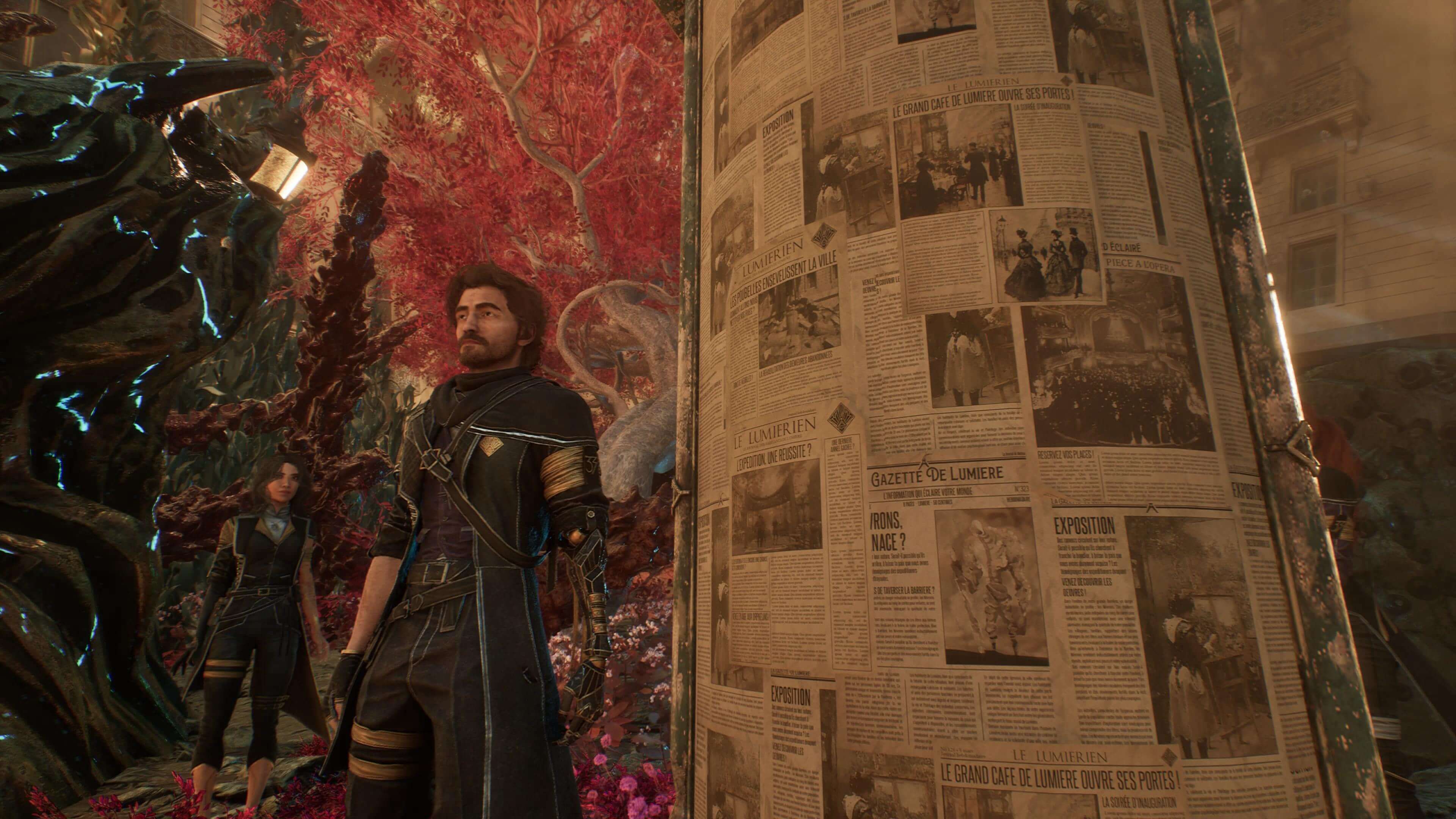
There are no random encounters, which is good. The enemies always spawn in fixed locations (even though they wander around after that a bit), and they re-spawn only when you rest at a flag or leave the area and come back (including if you're going through a Manor door). This both makes exploration easier and grinding a little more predictable if you can find a good spot.
Battle Mechanics
The battle system genuinely sucks due to 2 main reasons:
1) Dodge and parry are the cornerstone. I'm just speculating here, but it seems like they were going for a more classic approach until pivoting towards a Souls-style game of timings. Maybe it was the success of Elden Ring or maybe some other reason, but in the end you get a battle system that has some classic jRPG stuff, that is completely unnecessary as all you need to do is memorize patterns and press Parry. That's it. You've won.
While that does spice up the game a bit and adds that extra bit of action to a stiff turn-based system, it ultimately ruins the whole experience. I'm tired of seeing every second game trying to mimic From Software games and implement those "Simon Says"-like mechanics, and here it feels more obligatory than inspired. Thanks, but no thanks.
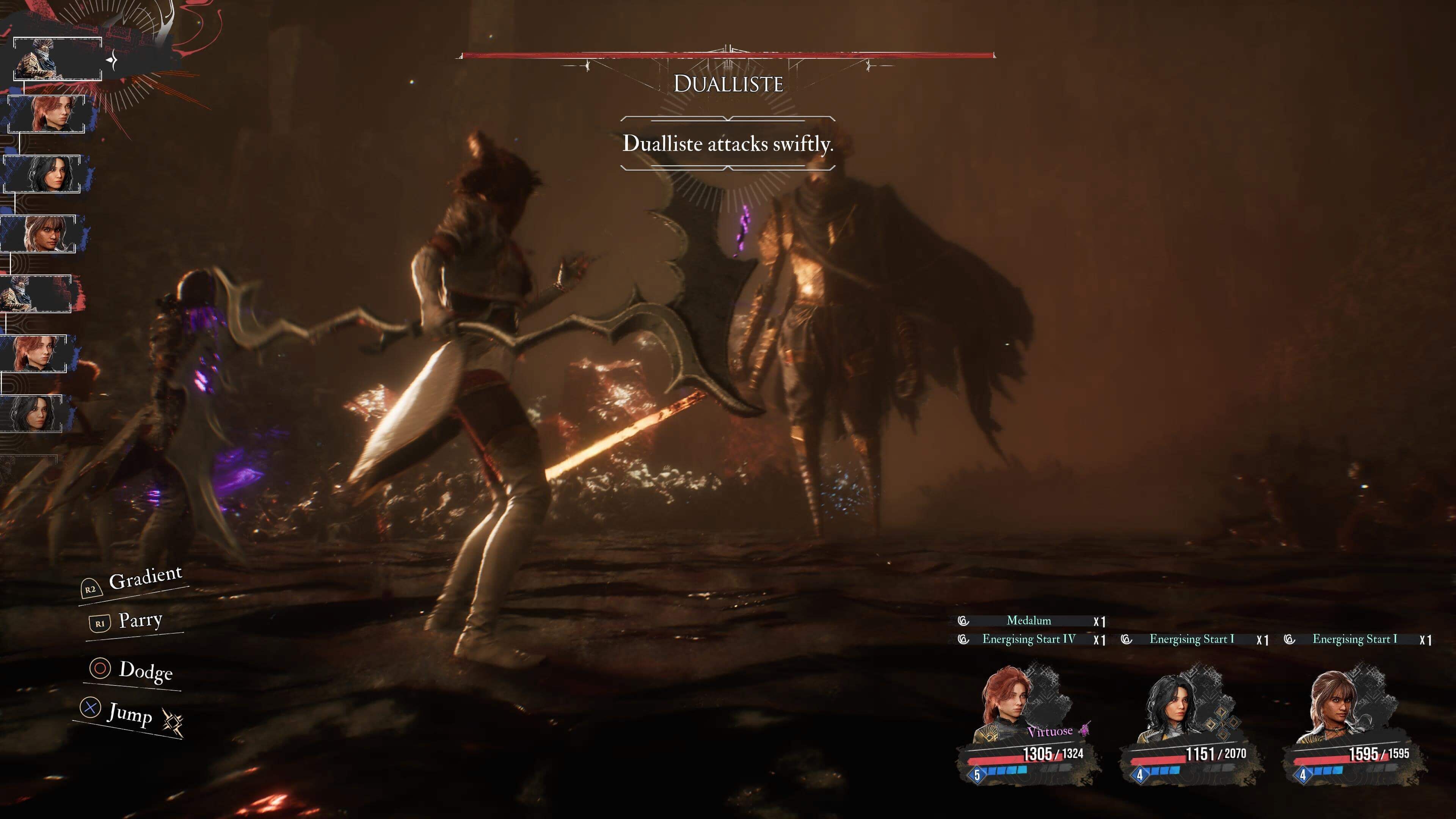
And while I'm not against the idea of dodging and parrying as mechanics, their execution in Expedition 33 is beyond poor. First of all, there is literally no indication of open parry/dodge window. Second of all, the window rules change from enemy to enemy and sometimes even from attack to attack. In one case you'll want to parry right before the hit, but then you need to press the button slightly earlier for a different attack. I don't mean the difference in attack animation length - it's almost as if for some attacks you need to parry in the beginning, while for others - in the end. There's no clear pattern - you just have to memorize every attack for every enemy in the game. This is especially frustrating with bosses where the camera starts to also fly around like crazy making it almost impossible to properly dodge or parry.
The only way to make your life less miserable here is to switch difficulty level to Story, but that also eliminates any kind of challenge since it also downgrades enemy attacks. Why won't they add a normal dodge indication as an optional setting is a complete mystery to me.
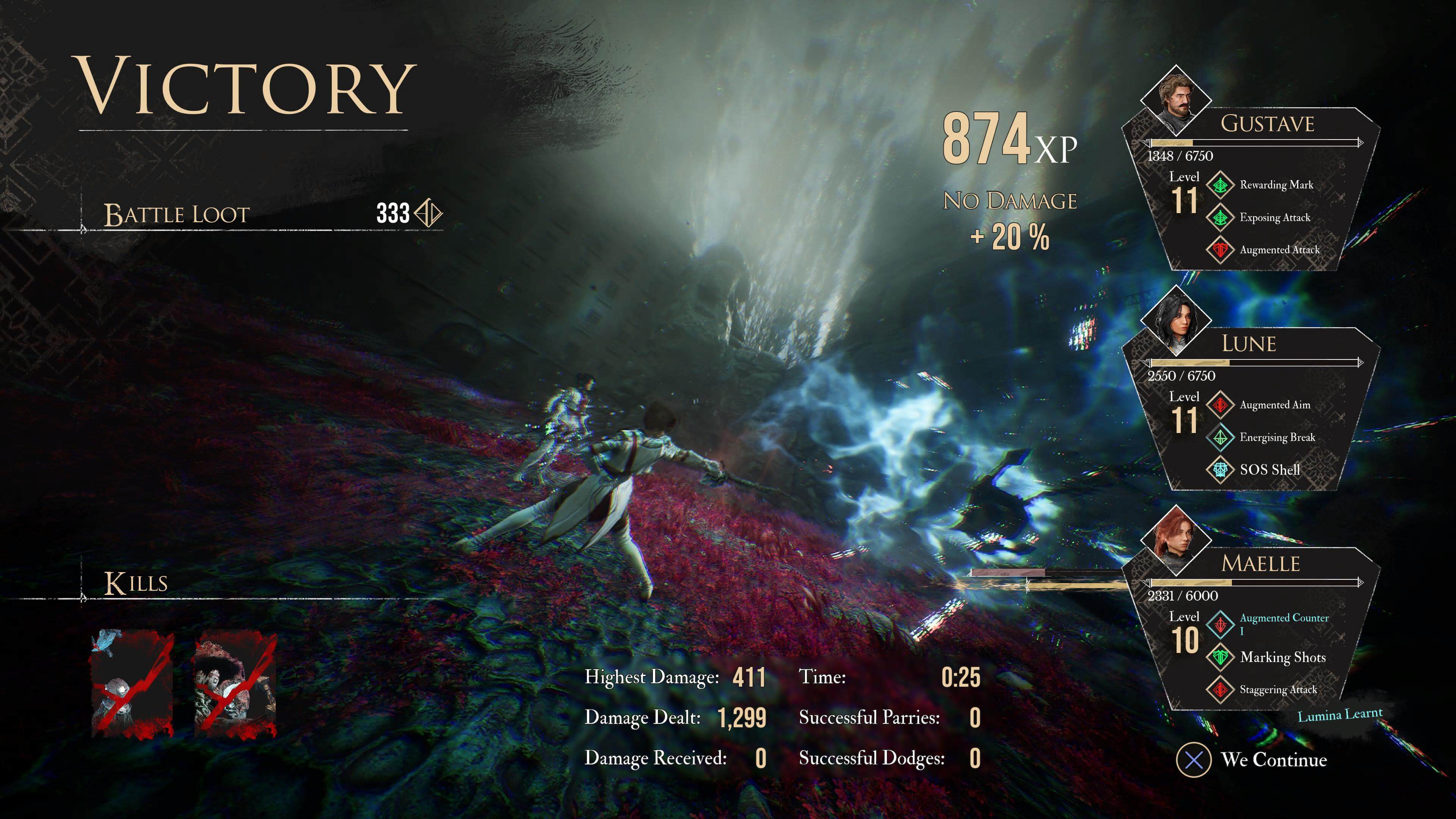
2) Overall balance is just very bad. The game tries to hold your hand so that you don't get too OP too soon (for instance, if you farm EXP with Gustave near the very first flag, you'll quickly run into a huge EXP gap between levels 5 and 6. Of course, you can spend several hours doing further farming, but that will be just a waste of time). Once you level a bit you can wipe your enemies easily spamming the same abilities over and over. Like Maelle - Stendhal, Lune - 3 free aim shots and Mayhem, Monoco - Portier Crash. Start the fight, execute, win. Certain builds will allow you to oneshot most of the enemies and bosses in late-game areas. At the same time remember #1 - if you are having a tough time with parry, you'll have to stick to Story which will only make balance issues worse.
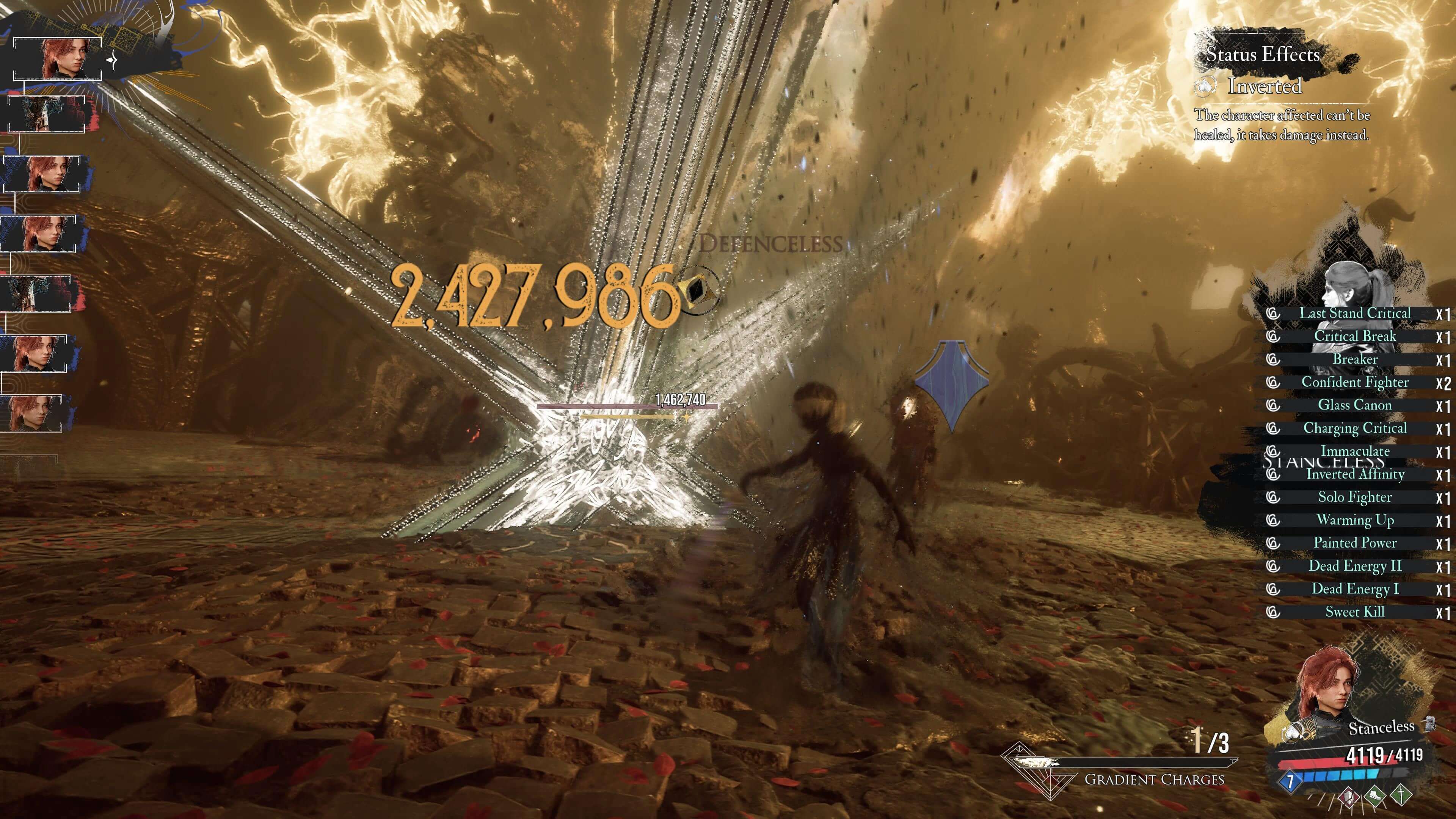
And even when you grind a little, build your party properly so that you can just waltz through the dungeon, the boss may easily wipe the floor with you. Mostly because it may either have some gimmick that you need to counter (say hi to Sirene) or because it just expects you to parry/dodge everything (say hi to Visages).
There are also a few general complaints about battle mechanics:
- There's a gazillion of weapons that you can get and that you need to level up after that, but honestly you only need like 1 or 2 for each of the characters and you get most of the good stuff back in act 1. Well, technically some are missable during Act 1 (like the best one for Maelle), but you can still get them later on. Leveling up a weapon is also a way to hold your progression as you need to use several different items to enhance your weapons and you can only get the higher tier items in later acts. So you won't see tier 2 item unless act 2 and so on. Later in the game you can farm these items to level up all of the weapons to lvl 32 if you want to, but you can only get a very limited amount of items required to upgrade to the final 33rd level, so you'll really have to be careful with that if you're going after the optional endgame bosses.
- None of the skills have good description about their attack power. For example I had two "high physical damage" skills for Monoco, where one would deal 3 hits up to 35k each in crit, and the other would be a single blow that would go for 250k+ in critical. Makes no sense.
- Each character has a bunch of skills, but you can only equip 6 at a time. Along with not-so-good menus, it just makes you want to stick to whichever hits harder (and it works most of the time).
- The turns are stiff as hell. Basically it's speed-based, the higher the speed - the higher you'll get in the attack order. You get Rush at some point, but unlike Haste in say FF X, it doesn't do that much and you'll rarely see the order change. Sometimes you may get an extra attack before the enemies do if your total speed is higher, sometimes you may face an enemy that will just keep plummeting you without your turn ever coming.
- Each character has a unique battle mechanic, but in general they all are just variations of the same gimmick - "do X to enhance Y". Gustave has to fill his meter to powerup one of his skills to maximum damage, Maelle swaps between stances on her skills and needs to plan her attacks to maximize damage output, Lune gains elemental stains that can powerup her skills, Sciel needs to balance her sun and moon attacks to benefit the most from Twilight mode, Monoco has a variation of Maelle's stances but this time each skill will roll his "mask wheel" by X instead of leaving you in a fixed known state; and Verso is similar to Gustave, but you lose your "charge" if you get hit.
- You can't switch your party in battle. You can bring in your extra characters if the active party is dead, but that is very situational and is mostly useful in the final super-boss fight.
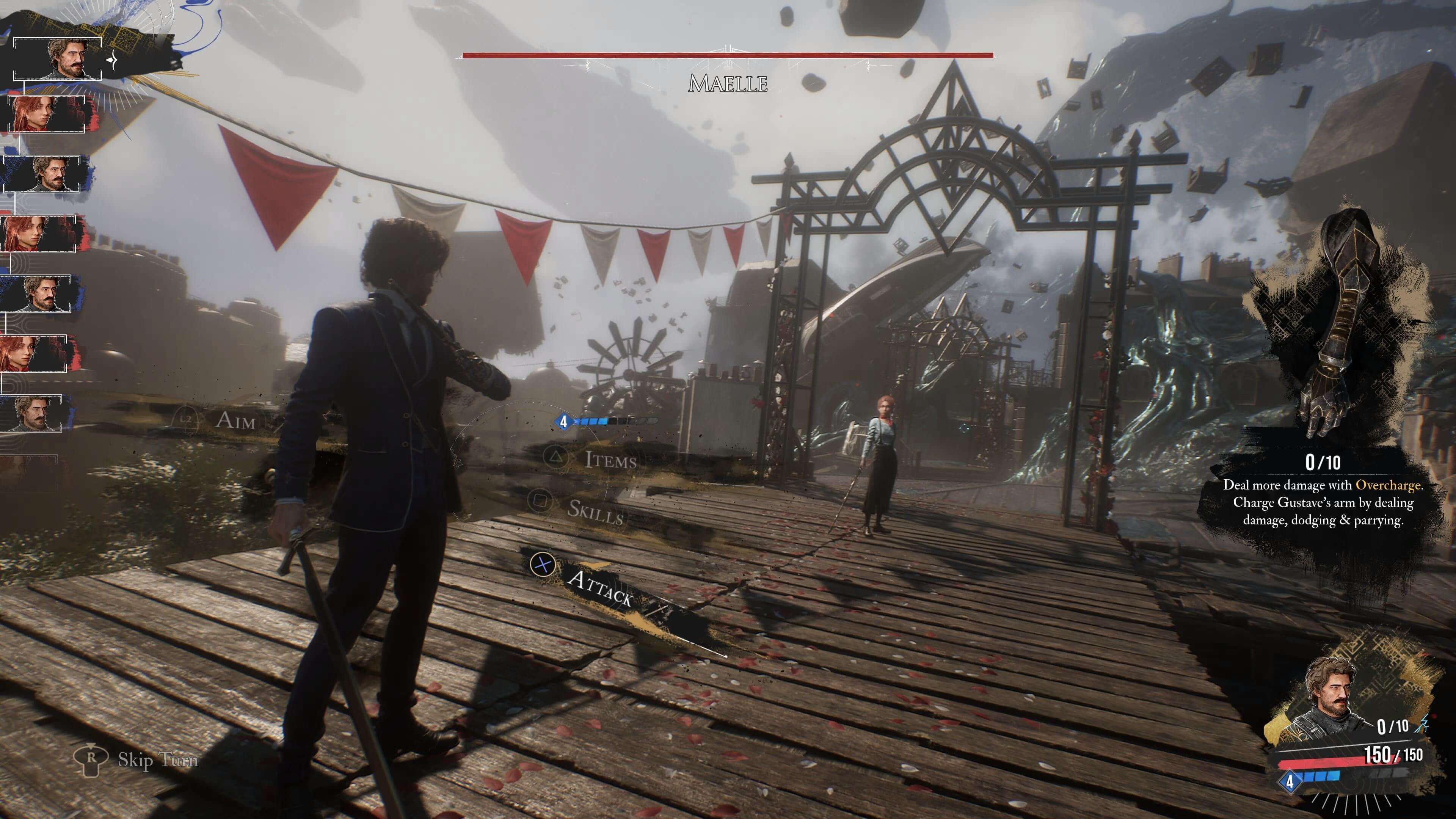
Overall the battle system is primitive. If you take away dodge and parry and look just at the core, you get little to no depth. Mostly you just have to attack with your toughest skill, sometimes you need to address enemy's elemental affinity (so that you won't heal them or your damage won't be ignored), sometimes you need to be ready to destroy shields, but that's it. You have some options to synergize your characters - like applying some buffs or placing Marks/Burn on enemies with one character, so that the other would benefit from it (like Maelle can go to her most powerful stance by using a certain skill on a burning enemy), but that's basically the depth of using Focus in Final Fantasy 1. It's all been tailored to make you parry, parry and parry all the time and that's just sad.
Finally, a nitpick, but still - accessibility settings provide an option to auto-input attack QTE (you need to press X in time one or several times for most of the skills to hit). This setting however will only apply the "regular" input and not the "perfect" one, which seems to be a weird choice and feels like a "git gud, duuuuh" moment towards those, who needs this option.
Final Thoughts
The overall looks are really nice, but sometimes the washed down filter hurts the game, but making different locations look almost the same. This gets worse in some cases due to the what seems like a standard UE light. Some areas reminded me of Xenoblade Chronicles and I kept thinking how the DE port on Switch managed to look more strikingly.
The music is also pretty good, with some of the tracks being just bangers, but sometimes it gets repetitive. Like the plangent overworld theme - it's fine for a few times, but once you hear Déchire la Toile or "I see you, I hear you" in Children of Lumière for the 100th time, you just want to get speed up Esquie to get to your destination ASAP. So hearing something like "Monoco" is always a breath of fresh air, and some of the boss battles like "Une vie à t’aimer" are absolute bangers.
Be warned though - there's a ton of spoilers within OST, especially if you look up the lyrics, so it's best to get to it after you reach Act 3.
I am yet to beat the main plot and some of the optional bosses, so I'll get back to update this
Post-Platinum Thoughts
So, I've completed the game. Right now the only things left to do are going for the secret Baguette weapon (which requires multiple runs through so I'm going to pass on it) and (SPOILER ALERT) - seeing Verso's ending. The final act of the game was a rollercoaster to be honest.
First of all, I've loved some of the extra dungeons and scenes that you can unlock here as well as the final showdown in Lumière - that was quite epic though short. Most of the new areas are rather short and similar to the optional areas with music that you've seen all over the map since Act 1 (the fixed camera ones), but here you get to explore them a bit. Like the White Sands - small area to run around, pick an item, see something interesting that is not addressed and not further explored. Maybe cut content, maybe something left for future, maybe something else - who knows.
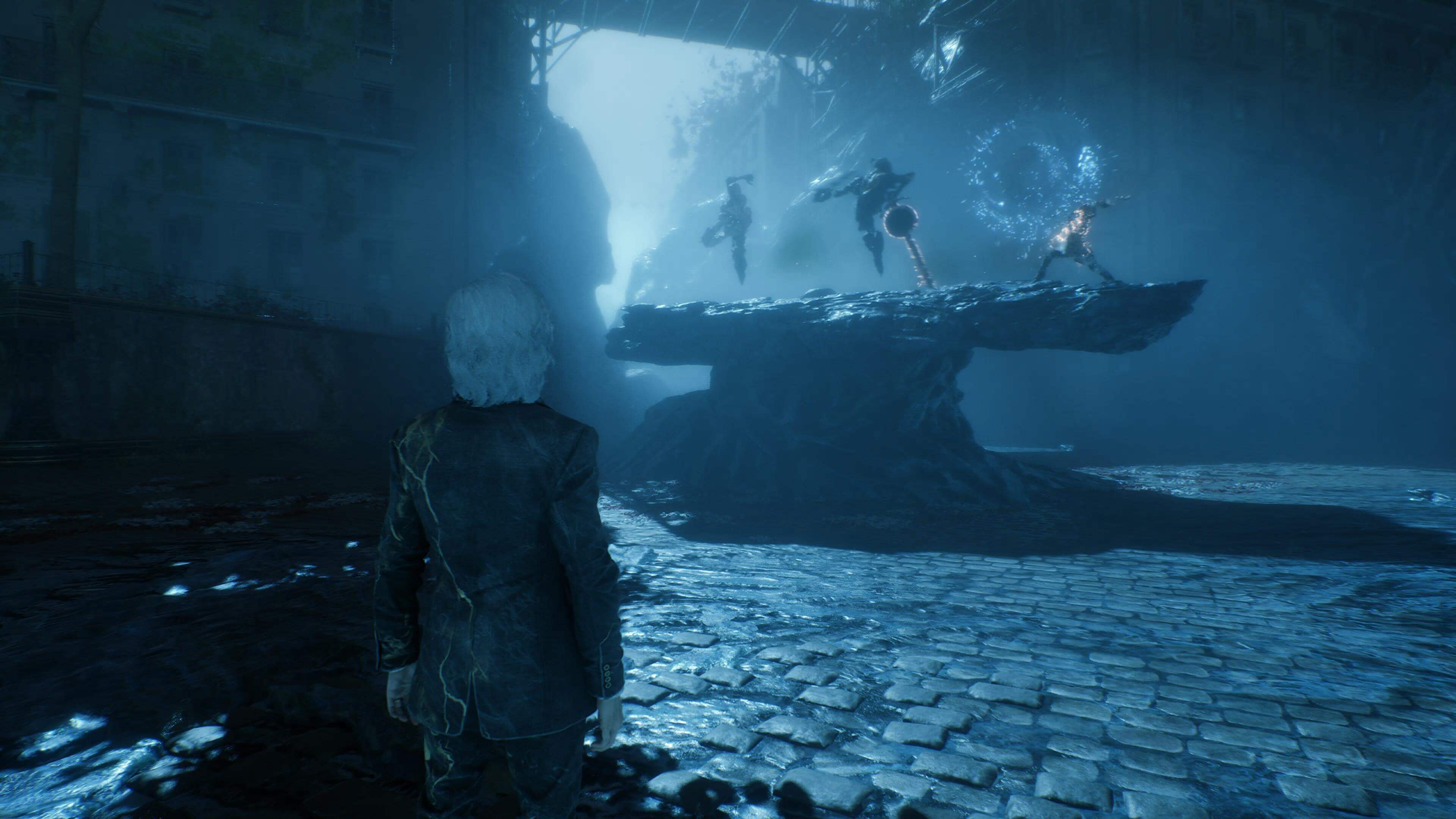
You'll probably land in Act 3 at lvl 50 or so, so most of the areas will be marked with "Danger" so you'll need to level up a bit to go for them. Luckily, the grinding is quite easy, there are several good spots (like the first couple of flags in Frozen Hearts) to grind both EXP and resources to level up your weapons and buy new Pictos from trades in new areas.
Overall it's your regular let-the-big-bad-wait-while-we-clean-up-the-map endgame stuff with optional bosses and some difficult dungeons and rewards that help you with other dungeons (like the "Cheater" that you get for defeating the giant Nevron you can find in the sea on the world map).
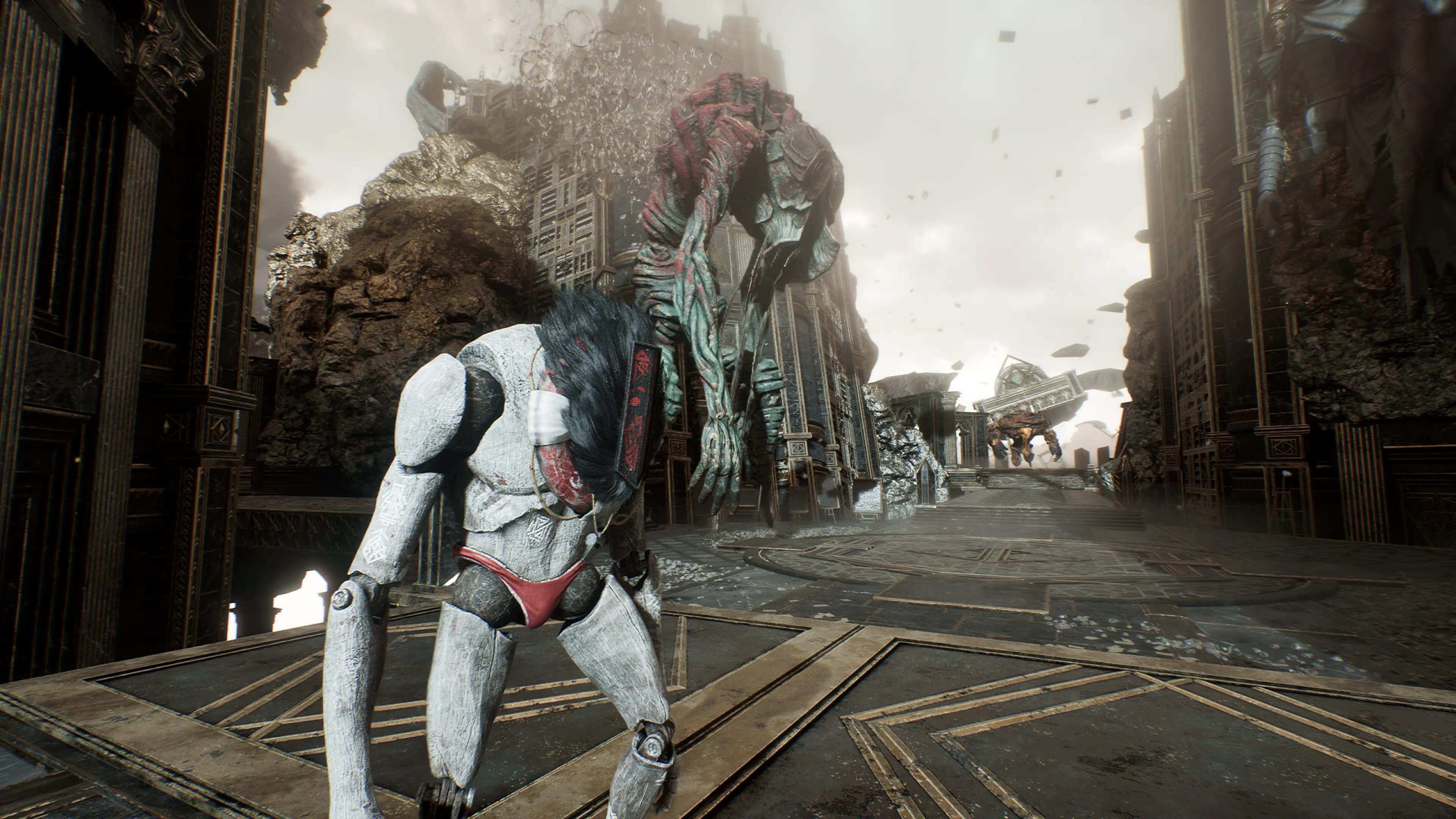
But just as you go for the Lvl 66 and Lvl 99 achievements, you'll find yourself getting more and more powerful. At around Lvl 70 I was already wiping everyone with Maelle, and once I went with solo Maelle build, I became literally unstoppable. I've literally one shotted every boss in Act 3. All of them. Including Clea and Simon.
A word about Simon - that is your classic cheesy OP superboss that tries to ignore everything your party has and tries to make you play his game instead. Shields? He'll steal them. Health/healing? Forget about it, he regularly sets whole party's health to 1 and removes the dead from the battle completely so you won't be able to revive them. By design, Simon is making you play the ultimate "Simon Says" with him, memorizing all of his attack patterns throughout 3 phases. The first one is relatively easy, the second one is where it gets confusing, and before phase 3 he'll just insta kill your active party making you fallback to remaining characters so you're supposed to adjust for that and plan who'll die and who'll come after.
But you can just drop a huge F-bomb in his face and one shot that MF (all while wearing Clea's costume, making it also an ultimate emotional damage for him, though it doesn't affect the gameplay sadly). I didn't even equip all of the damage-boosting pictos (as I didn't go to Lumiere until I've finished everything else) and it took me 3 attacks and 1 counter to take him down. 1 shot to get through the first phase, 1 shot and counter to reduce his health but stay in phase 2 and 1 more attack to finish him. That was on Easy mode, so I thought maybe the hardest one would be different, but no - you still land the same amount of damage, so with the right build you can literally take him down before he gets a chance to do anything.
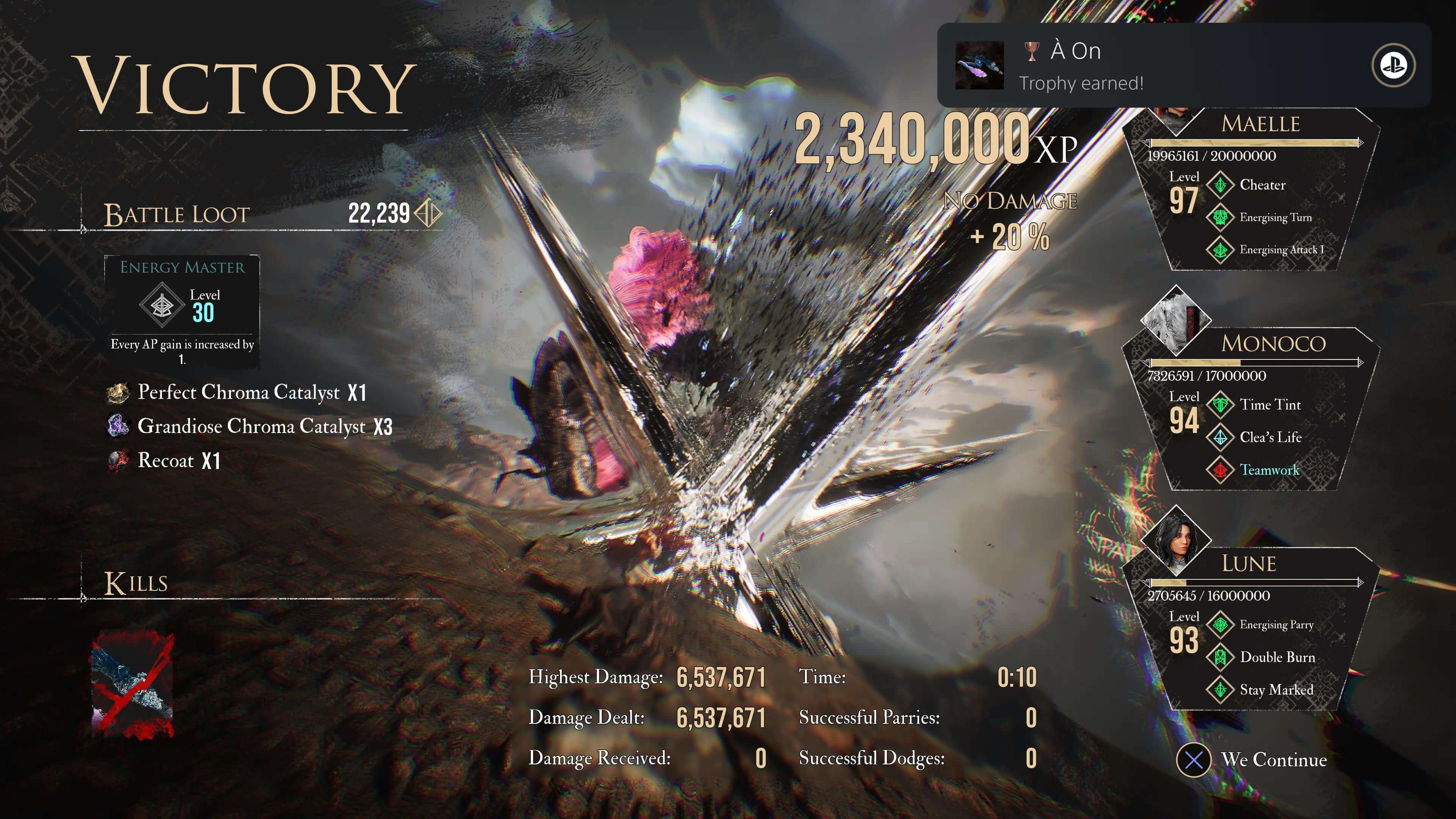
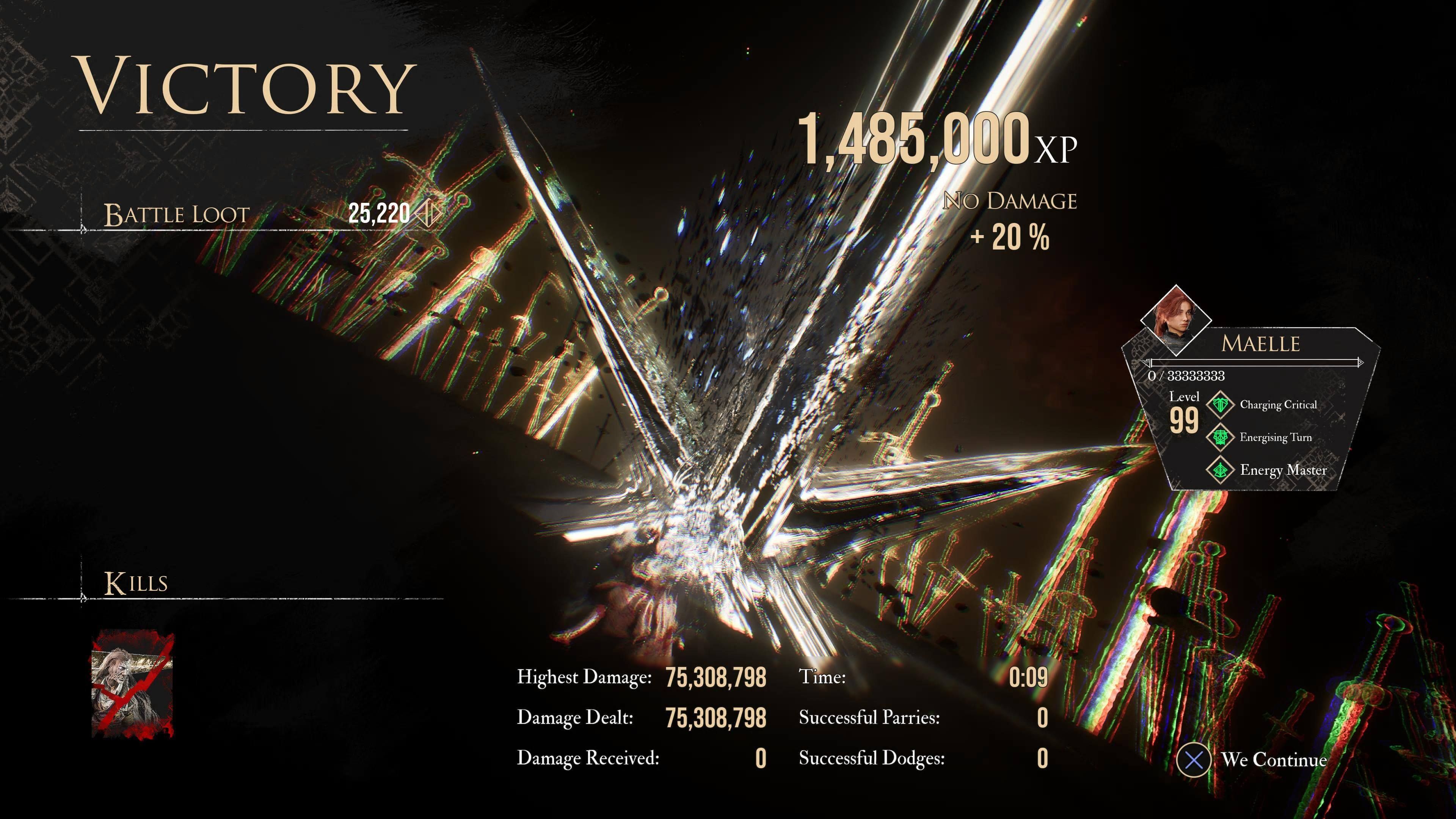
While this was somewhat anti-climactic, I had some pleasure rubbing into Clair Obscur's face what I think about its battle system.
Now, I need to touch the topic of ending. Obviously, this is going to be a major spoiler territory, so beware.
The ending sucks. I wasn't that triggered by any of the previous twists, but the final-final part was just lame excuse of an ending. You get to Renoir and fight him, kick his only for Sirene to heal him, then Aline returns for a short while to help you kick his ass, which you ultimately do and all of that goes along with some emotional dialogue between Maelle and Renoir. This part is good, shows how deeply both of the characters care for each other, for their family, but how the also need ultimately different things. There's some good tension here, and Renoir in the ends leaves the Canvas. Then some portal appears and Verso rushes there to find Fading Boy - part of real Verso that's still in the Canvas - and tries to stop him from drawing (mentioning that Fading Boy is tired) to basically kill himself and everyone in the Canvas.
After that Maelle appears, there is some dialogue and then you get to ... choose an ending in the menu out of two options. Yep. Nothing prior to that led to any choice, but here all of the sudden you get to choose it. And no matter which one you get, after you've seen it and go with "Continue" option from the main menu, you'll spawn at the last flag but won't be able to replay the battle and see the other ending - go to YouTube or play NG+ and remember to make a different choice here.
No matter what you choose, both ending kinda suck. One shows everyone alive and happy, except for the older painted Verso, who's expected to perform in the Opera House as he dreamed, but then the cutscene enters absolute cinema mode in black-and-white 4:3 and you see that Maelle is decaying just like her mother did from prolonged stay inside the canvas. This is supposedly a "bad" ending. The other ending gets everyone inside the Canvas erased and Maelle is back into the real world grieving with the rest of her family - supposedly "good" ending, because the family has finally moved on.
I'm not talking about the lack of "happy ending" here, but it just doesn't feel right that the whole "duality of the choice" appears pretty much right when you see that dialogue screen with two options. Painted Verso or Fading Boy haven't showed world-destroying suicidal thoughts before, so this scene just felt out of place.
Verdict
Is this a bad game? No. It's quite good, especially for the first game of a new studio. And with what limited resources they had, they did a pretty good job.
Is it a 10/10 GOTY GENRE-SAVIOR? Definitely not. The battle system (that every other influencer was praising like the sun) is primitive and doesn't offer much variety while focused on the stupidest timing-based mechanic. It has some interesting ideas (like how the free shots are implemented) and several cool, almost puzzle-like fights, but mostly it's just "Time your R1s, use strongest attack, repeat".
The music if fine, but somewhat lacks variety or really memorable tracks (except a couple of voice tracks that will stick with you for a while). Most of the tunes are somewhat similar with only a few standing out, so they start to blend together at some point.
The plot betrays the player several times and while it tries to make up for it by further exploring new angles, in the end it just sends it all to hell. This especially sucks since the concept and the plot is what hooked a lot of players. All the pathos and glory of "for those who come after" turns into a "nah".
So was it worth playing? Yes. Was it worth all the hype? Mostly no.
P.S. Check out CarbotAnimations' recap, but beware the spoilers.
Related Savepoints
When a game catches you from a single tune
A look at those rare moments when a single track is all it takes to fall into a game — from Sea of Stars to Chrono Cross and Final Fantasy X.
Currently Playing: Sea of Stars
Just finished Sea of Stars - a 2023 indie jRPG hit. Let's see how good it actually was.